WFCMS Representative Attends the 79th World Health Assembly
Release time: Jun 3,2026
Reading volume: 2510
Geneva, May 18, 2026 – The 79th World Health Assembly (WHA) convened at the Palais des Nations in Geneva on May 18, 2026. Under the theme “Reshaping Global Health: A Shared Responsibility,” the Assembly brought together government representatives from member states, international organizations, medical experts, and non-governmental organization (NGO) delegates to address critical challenges and future directions for global public health systems.
Opening addresses were delivered by H.E. Élisabeth Baume-Schneider, Vice President of the Swiss Confederation; H.E. António Guterres, Secretary-General of the United Nations; H.E. John Dramani Mahama, President of Ghana; and Dr. Tedros Adhanom Ghebreyesus, Director-General of the World Health Organization (WHO). Dr. Chen Zhen, Vice President of the World Federation of Chinese Medicine Societies (WFCMS) and President of the China-CEEC Association for the Promotion of Chinese Medicine, attended the Assembly as the representative of WFCMS.
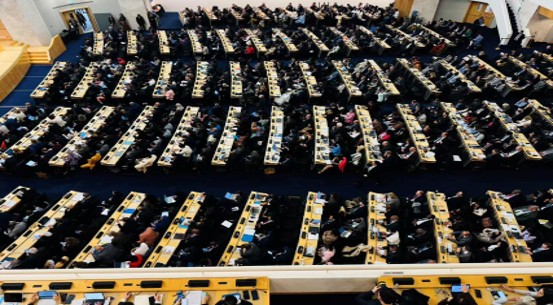
(Photo: Conference scene)
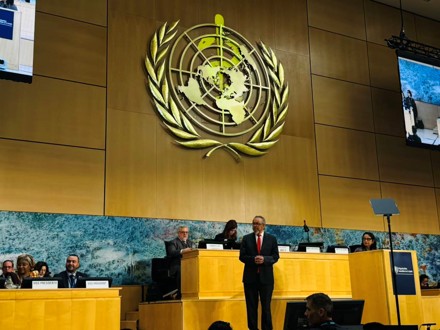
(Photo: WHO Director-General Dr. Tedros Adhanom Ghebreyesus)
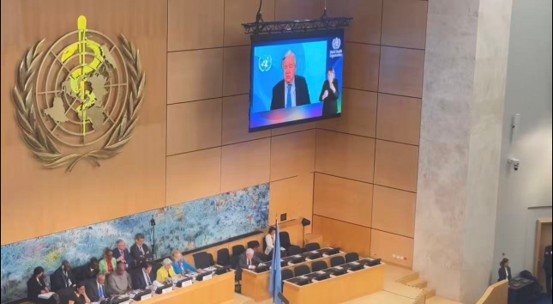
(Photo: UN Secretary-General António Guterres)
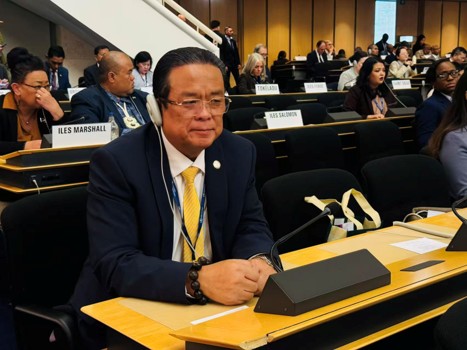
(Photo: Dr. Chen Zhen at the Assembly)
Reports delivered at the Assembly highlighted unprecedented pressures on global public health. Outbreaks of Ebola, the continued emergence of Hantavirus and novel infectious diseases, increasing cross-border transmission risks, and the threat of unknown pathogens are placing mounting strain on health systems worldwide. At the same time, many developing countries continue to face weak medical coverage and severe shortages of basic healthcare resources. In impoverished regions, shortages of hospital equipment, medicines, and healthcare workers – and even basic vaccination coverage – remain pressing challenges.
“Health should not be a privilege of a few countries, but a fundamental right shared by all humanity.” This principle resonated throughout the Assembly and struck a chord with participants. Multiple international health experts noted that millions of children remain unprotected against vaccine-preventable diseases such as measles, cholera, and poliomyelitis due to lack of immunization. Many children lose their lives unnecessarily because they cannot access basic medical services. Maternal and infant mortality rates remain persistently high in remote areas, and the imbalance in public health resources has become a major obstacle to global health equity.
“Health should not be a privilege of a few countries, but a fundamental right shared by all humanity.” This principle resonated throughout the Assembly and struck a chord with participants. Multiple international health experts noted that millions of children remain unprotected against vaccine-preventable diseases such as measles, cholera, and poliomyelitis due to lack of immunization. Many children lose their lives unnecessarily because they cannot access basic medical services. Maternal and infant mortality rates remain persistently high in remote areas, and the imbalance in public health resources has become a major obstacle to global health equity.
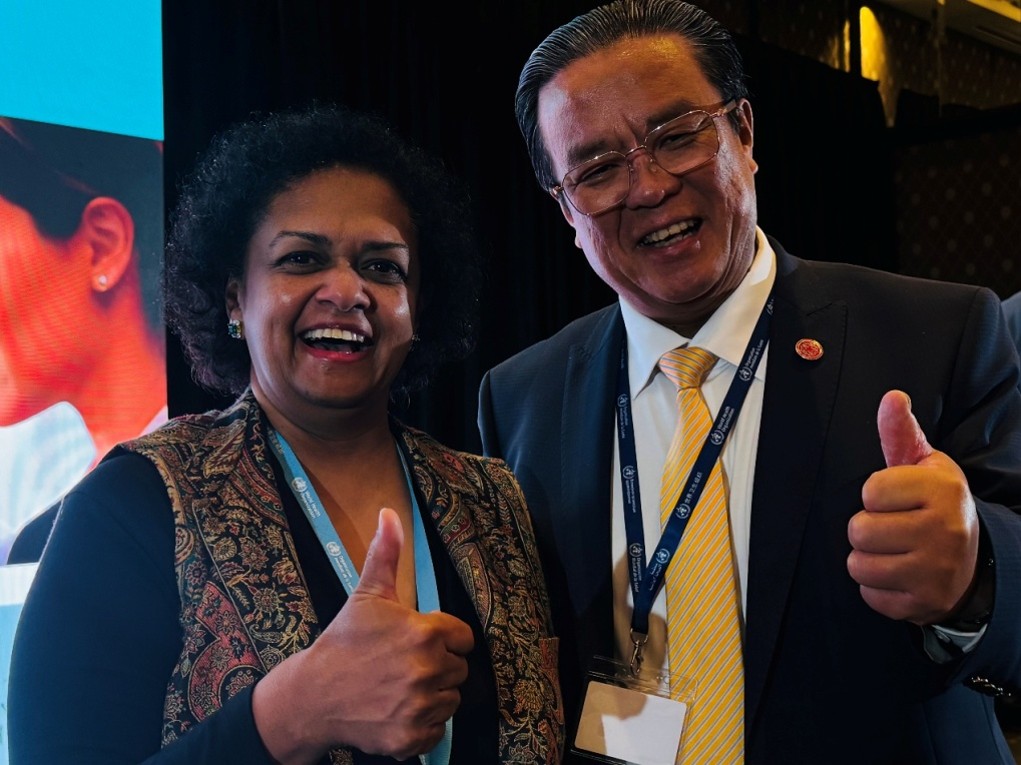
(Photo: Dr. Kurvilla Shyama, WHO Head of Traditional Medicine)
Dr. Chen Zhen provided Dr. Kurvilla Shyama, WHO Head of Traditional Medicine, and Dr. Lori McDougall with a detailed overview of the development of Chinese medicine in Central and Eastern Europe, as well as its “people-centered” strategy. He noted that the Chinese wisdom of using Chinese medicine to prevent and treat diseases is widely known. The Chinese medicine industry has achieved healthy and sustainable development over the past 40 years, and China has accumulated a wealth of classical knowledge and practical experience in addressing Hantavirus and emerging infectious diseases.
Dr. Kurvilla Shyama, in turn, briefed Dr. Chen Zhen on the overall trends, core positioning, and global opportunities presented in WHO’s new Global Traditional Medicine Strategy 2025–2034.
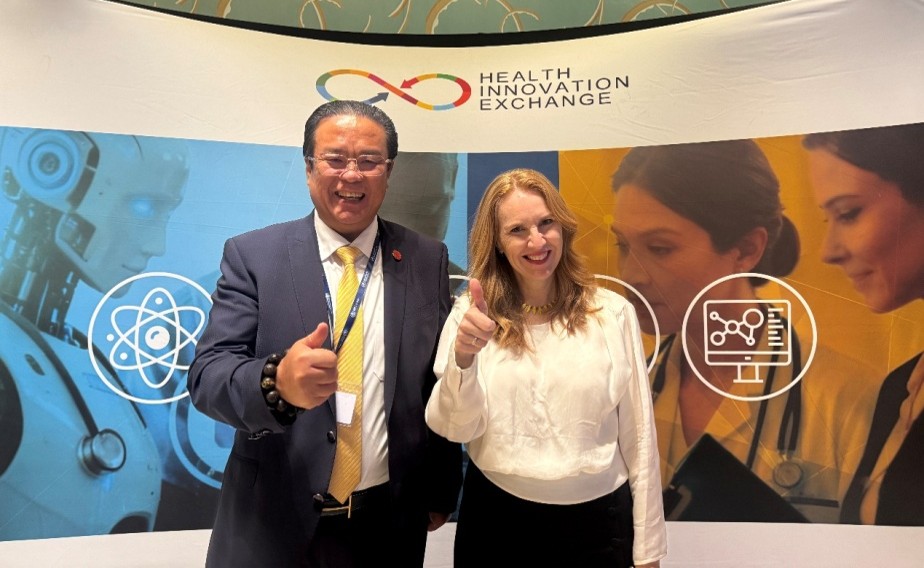
(Photo: Dr. Lori McDougall, WHO Traditional Medicine)
Dr. Chen Zhen emphasized that traditional medicine holds unique advantages in primary healthcare, disease prevention, and health management. Especially in regions with relatively weak medical resources, the Chinese medicine principles of “prevention first” and “treating before illness onset” can offer valuable complements to global public health systems. In recent years, Chinese medicine has gained increasing recognition in many countries, reflecting a growing global demand for collaborative development among diverse medical systems.
In closing, the delegates issued a joint call: global health must not be divided by borders, wealth, or political systems. Whether confronting Ebola, the spread of infectious diseases, emerging health threats, shortages of medical resources, or gaps in vaccination coverage, humanity has long become an interconnected community with a shared future. Diseases do not distinguish between countries or ethnicities, and health should not be the privilege of a few. The core of future global health governance is not merely treating diseases, but building a fairer, more inclusive, and more sustainable health system for all. Countries need to strengthen medical cooperation, promote technology sharing, improve primary healthcare infrastructure, and respect mutual learning and integration among different civilizations and medical systems – allowing modern medicine and traditional medicine to work together in the service of human health.
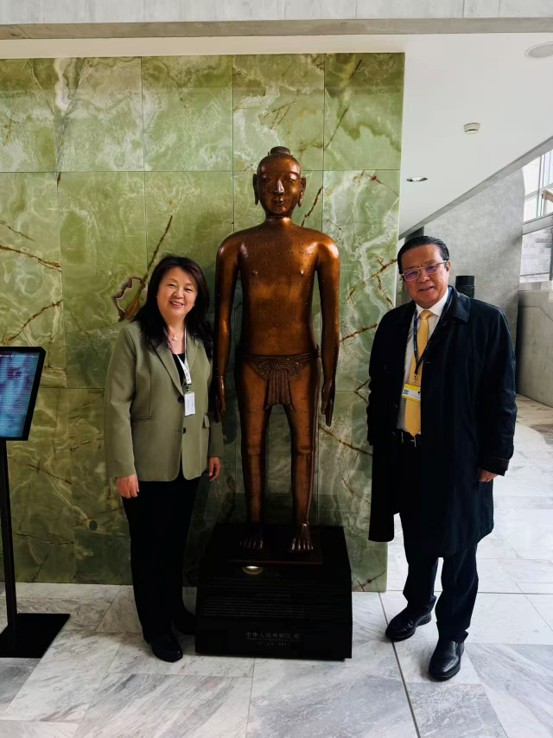
(Photo: Group photo with Ms. Li Yachan, WHO Traditional Medicine Officer)
Introduced by Ms. Li Yachan, WHO Traditional Medicine Officer, Dr. Chen Zhen discussed with Dr. Sohel Saikat, Senior Advisor for Universal Health Coverage and Core Strategic Goals at WHO. Dr. Chen noted that true global health means not only advanced medical technology but also that every life is respected and every child has access to basic medical care. The profound heritage of Chinese medicine, he said, should be used by every country to protect the health of its people. Only when nations truly set aside their differences and work together in strengthening disease prevention can humanity collectively withstand future public health crises.
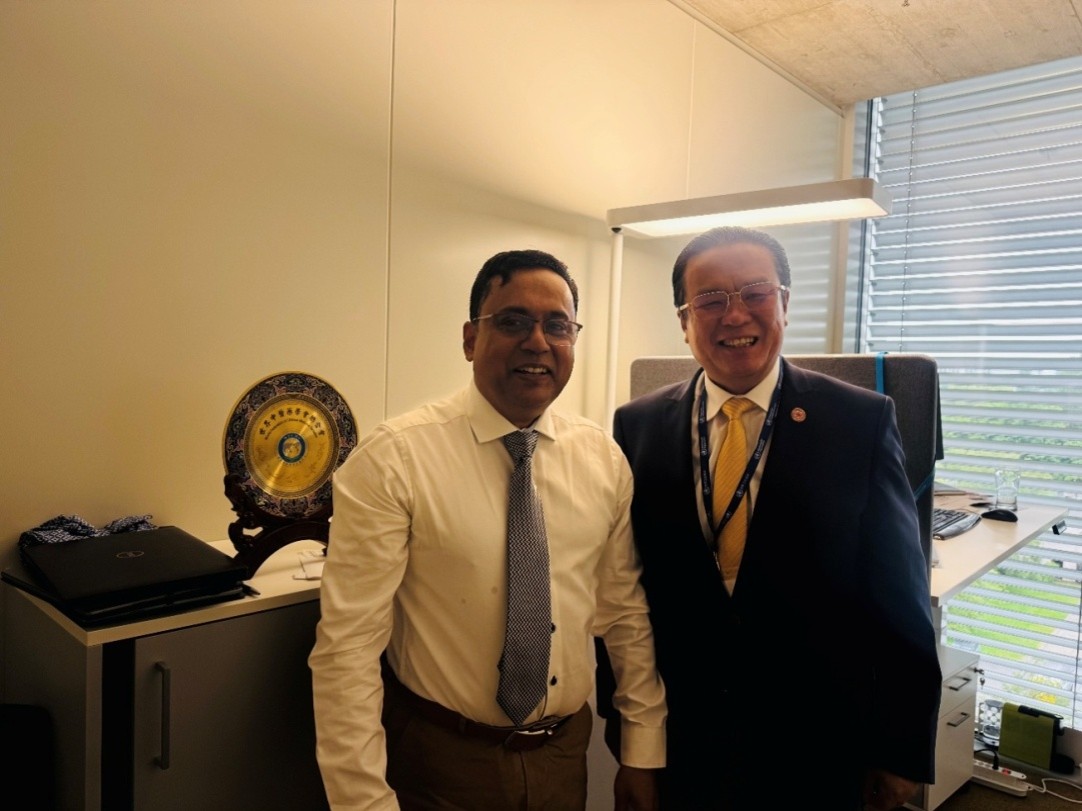
(Photo: Dr. Sohel Saikat, WHO Senior Advisor for Universal Health Coverage and Core Strategic Goals)
Dr. Chen Zhen’s participation in the Assembly on behalf of WFCMS demonstrates the Chinese medicine community’s international commitment to active engagement in global health governance. WFCMS will continue to promote international medical exchange and cooperation, contributing Chinese strengths to improving global public health and advancing the health and well-being of people worldwide.
About WFCMS: The World Federation of Chinese Medicine Societies (WFCMS) is an international non-governmental organization dedicated to promoting the development and global exchange of Chinese medicine.