The 22nd World Congress of Chinese Medicine Opens Grandly in Sydney
Release time: Dec 3,2025
Reading volume: 8186
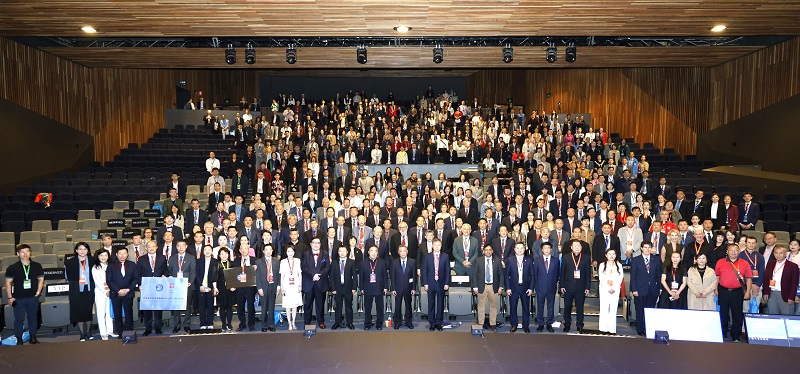
On October 31, 2025, the 22nd World Congress of Chinese Medicine (WCCM), hosted by the World Federation of Chinese Medicine Societies (WFCMS), organized by the the Australia Tradition Chinese Medicine Charitable Association, opened grandly in Sydney, Australia. Under the theme "Global Vision for TCM Culture Promotion and Technological Innovation", the 22WCCM attracted over 800 participants, including experts, scholars, government officials, and industry representatives in the field of Chinese medicine from 24 countries and regions worldwide, such as Australia, Brazil, Canada, China, Fiji, France, Germany, Hong Kong China, Japan, Macao China, Malaysia, New Zealand, the Philippines, Portugal, Russia, Singapore, South Africa, South Korea, Spain, Taiwan China, Thailand, the United Kingdom, the United States, and Vietnam. The opening ceremony and keynote report sessions were live-streamed globally via platforms including the WFCMS WeChat Video Channel and China.com++, garnering over 5.6 million views.
Mr. MA Jianzhong, Chairperson of WFCMS, and Ms. MI Lan, President of the Australia Tradition Chinese Medicine Charitable Association, delivered speeches at the opening ceremony. Mr. WANG Yu, Consul General of the People's Republic of China in Sydney, read a congratulatory letter from H.E. XIAO Qian, Ambassador Extraordinary and Plenipotentiary of the People's Republic of China to Australia. Speeches were also given by Mr. LI Qiang, Deputy Director-General of the Department of Planning and Finance, National Administration of Traditional Chinese Medicine; Mr. Danforn Lim, Chair of the Chinese Medicine Board of Australia; Dr. Sohel Saikat, Senior Adviser at the World Health Organization; The Rt. Hon. Jenny Shipley, former Prime Minister of New Zealand and Co-Chair of the Advisory Board of The Mencius Foundation; Prof. Kenneth Mak, Director-General of Health, Singapore; Prof. ZHANG Boli, Academician of the Chinese Academy of Engineering, Master of Traditional Chinese Medicine, and Vice President of WFCMS; and Mr. LI Xiaojun, Chairman of Guangzhou Pharmaceutical Holdings Limited. Ms. Diane Wilkinson delivered a speech on behalf of Mr. Avinash Clarke, Branch Head of the Complementary and Over the Counter Medicines Branch, Therapeutic Goods Administration, Australia. The opening ceremony was co-chaired by Mr. LI Yu, Vice Chairperson and Secretary-General of WFCMS, and Mr. Douglas Eaton, Deputy Mayor of Central Coast Council, Sydney.
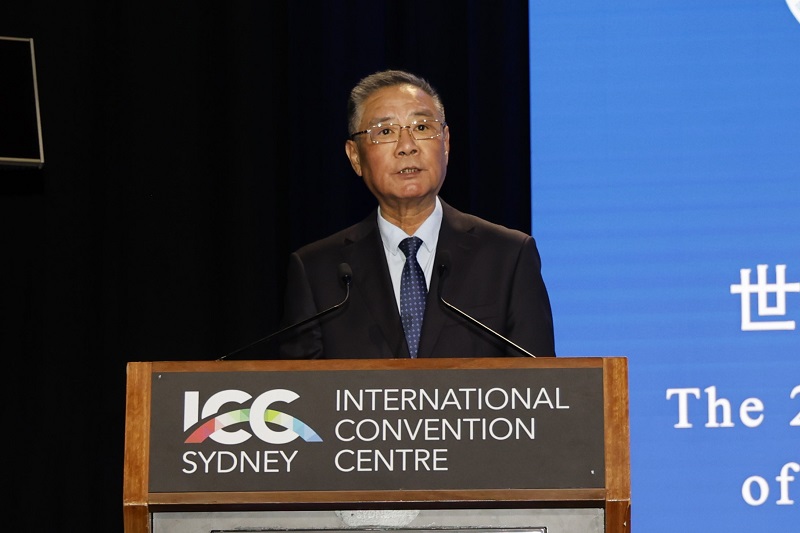
In his speech, Mr. MA Jianzhong, Chairperson of WFCMS, pointed out that Chinese medicine is a great creation of the Chinese nation, having made significant contributions not only to the prosperity of the nation but also to the progress of world civilization. Currently, Chinese medicine has spread to 196 countries and regions worldwide, becoming an important area of cooperation between China and regional mechanisms such as ASEAN, the EU, the African Union, CELAC, the Shanghai Cooperation Organization, and BRICS. According to World Health Organization statistics, 113 WHO member states recognize the use of TCM diagnostic and therapeutic techniques like acupuncture, and 29 have established relevant laws and regulations for the standardized use of Chinese medicine. Mr. Ma stated that WFCMS is an active advocate and steadfast practitioner of the international dissemination and high-quality development of Chinese medicine. After two decades of development, WFCMS now boasts 300 group members in 77 countries and regions and has established 191 branches covering various disciplines of Chinese medicine, creating a high-quality global platform for academic exchange and cooperation. WFCMS has established extensive connections with international organizations, including formal cooperative relationships with the World Health Organization, UNESCO, and the International Organization for Standardization. In 2021, it obtained Special Consultative Status with the UN Economic and Social Council (ECOSOC), playing an increasingly important role in promoting the international dissemination and high-quality development of Chinese medicine and deeply participating in global health governance, actively contributing to the building of a global community of health for all. He expressed sincere gratitude and respect to the Embassy of the People's Republic of China in Australia, the National Administration of Traditional Chinese Medicine, the Ministry of Civil Affairs of the People's Republic of China, the World Health Organization, the Consulate General of the People's Republic of China in Sydney, and all friends from various sectors who have long cared for and supported WFCMS and contributed to this conference. Mr. Ma noted that with its unique advantages in chronic disease prevention, control, and health maintenance, Chinese medicine has secured a firm place within Australia's multicultural healthcare environment. In the future, through deepened scientific research and clinical collaboration between Chinese and Western medicine, Chinese medicine is poised to play an even more significant role in Australia's integrated healthcare system. Inheriting civilization allows us to understand the future by reflecting on the past. The international dissemination and development of Chinese medicine can build bridges for mutual learning among civilizations and people-to-people connectivity between nations.
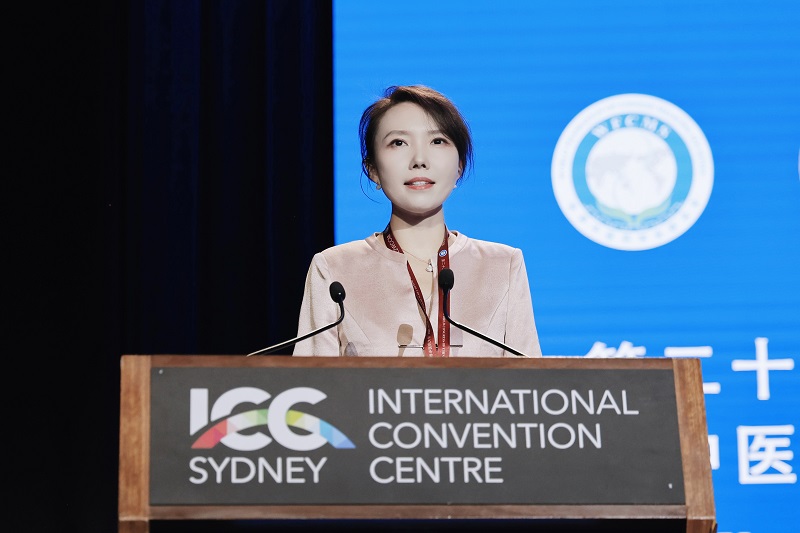
In her speech, Ms. MI Lan, President of the Australia Tradition Chinese Medicine Charitable Association, extended the warmest welcome on behalf of the organizing team to all distinguished guests and colleagues who had traveled from afar, and expressed the most heartfelt thanks to all organizations, leaders, guests, and friends from various sectors for their tremendous support of the 22WCCM. To ensure the smooth proceeding, meticulous preparations have been made in agenda setting, service support, and networking, hoping that this Congress will serve as a bond for guests to experience the charm of Chinese medicine and the warmth of the Australian hosts.
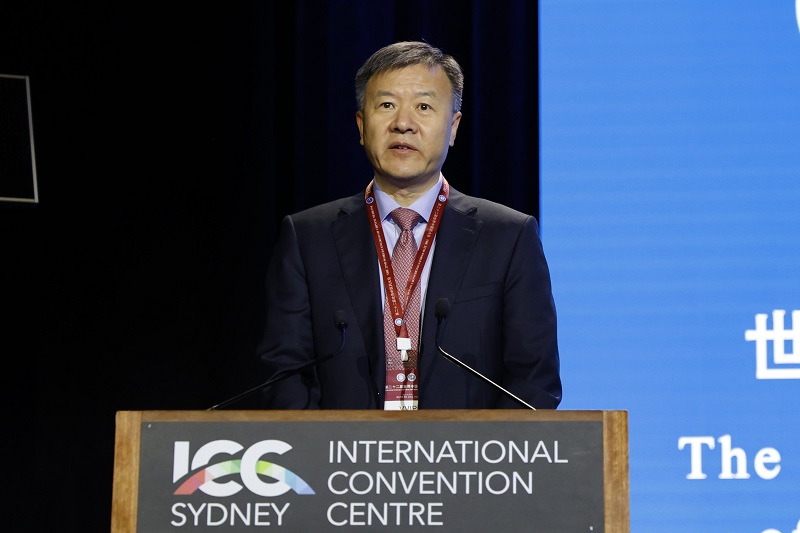
Consul General WANG Yu read the congratulatory letter from Ambassador XIAO Qian. The letter stated that Chinese medicine, as a great creation of the Chinese nation and a treasure of ancient Chinese science, embodies millennia of health preservation concepts and practical experience, serving as a key to unlocking the treasure trove of Chinese civilization. In the contemporary global health landscape, Chinese medicine continues to radiate robust vitality.
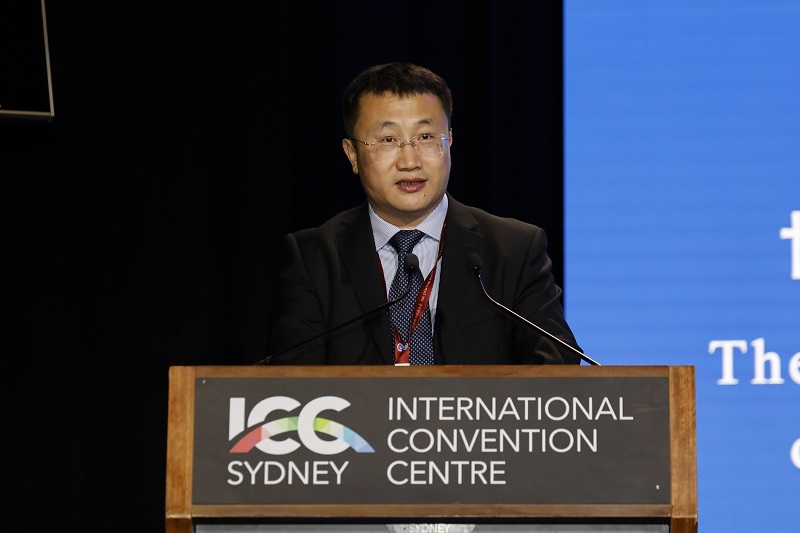
In his speech, Mr. LI Qiang, Deputy Director-General of the Department of Planning and Finance, National Administration of Traditional Chinese Medicine, pointed out that WFCMS has promoted international exchange and cooperation in Chinese medicine, contributing positively to its open development. He expressed hope that this conference would serve as an opportunity to fully exchange scientific research achievements and practical experiences in Chinese medicine, continuously benefit people of all nations, and contribute the strength of Chinese medicine to building a community with a shared future for mankind.
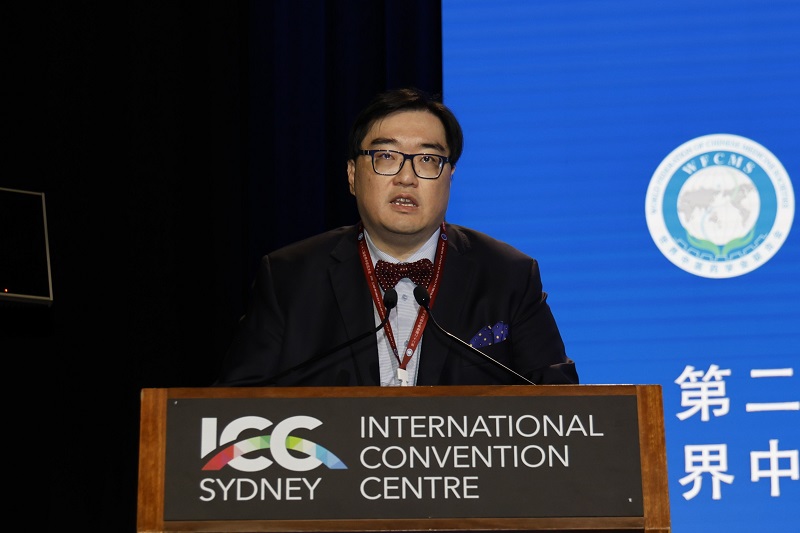
In his speech, Mr. Danforn Lim, Chair of the Chinese Medicine Board of Australia, pointed out that as the national regulatory body for Chinese medicine practitioners under the Health Practitioner Regulation National Law framework, the Board carries the important responsibility of protecting the public by ensuring Chinese medicine is practiced safely, ethically, and professionally across Australia. Under the national registration and accreditation scheme, practitioners must meet rigorous national standards in education, ethics, and clinical competence, ensuring the public receives safe, high-quality, and trustworthy care. The Board's membership includes both practitioners and community members, bringing diverse experiences from healthcare, education, and patient advocacy. This balance ensures decisions are fair, transparent, and equitable. He noted that on the occasion of this 22WCCM, they are reminded of the power of collaboration.
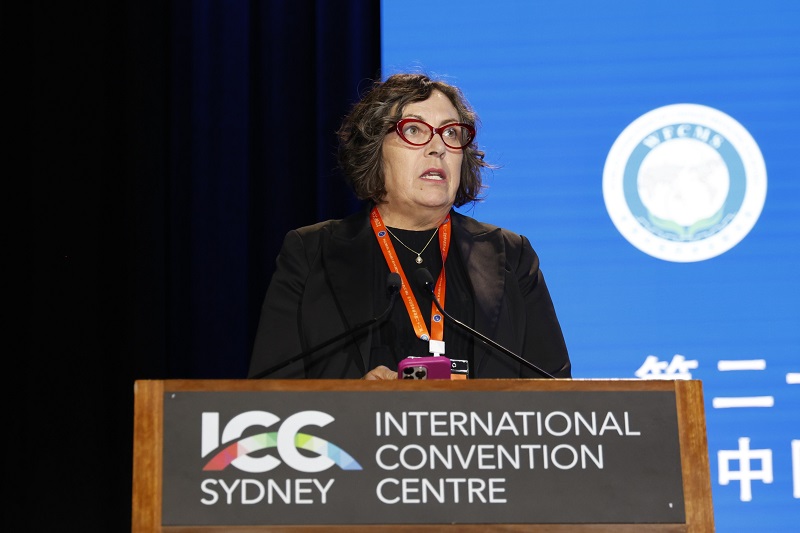
Ms. Diane Wilkinson, delivering a speech on behalf of Mr. Avinash Clarke, Branch Head of the Complementary and Over the Counter Medicines Branch, Therapeutic Goods Administration (TGA), Australia, stated that Australia's recognition of Chinese medicine is reflected in its regulatory approach. The regulatory, clinical, or commercial challenges facing Chinese medicine are shared across borders, as are the opportunities. This conference is a chance to learn from one another, strengthen collaboration, and contribute to the global future of Chinese medicine.
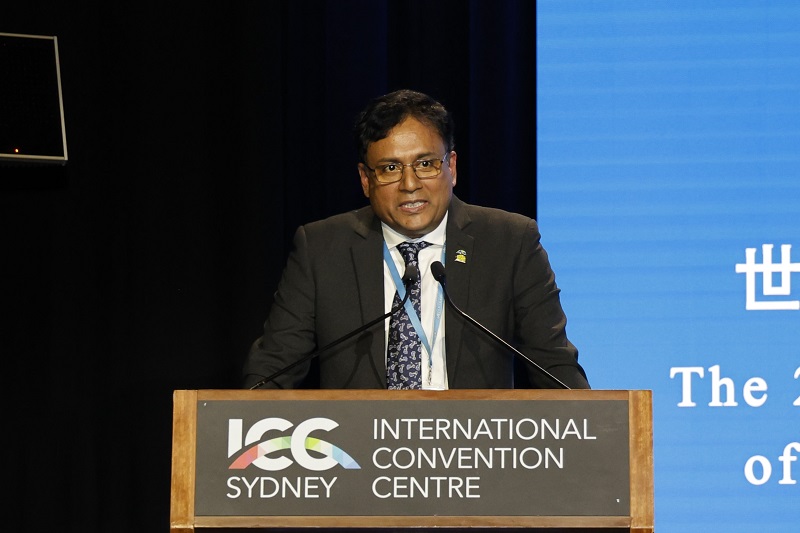
In his speech, Dr. Sohel Saikat, Senior Adviser at the World Health Organization, pointed out that for centuries, Chinese medicine has been an important part of health for families and communities. Its use, along with other forms of traditional medicine, is reported by 170 countries. They are often seen as more accessible, affordable, and acceptable to local populations and therefore can help achieve universal health coverage. Ideally, Chinese medicine and other traditional medicines should be an option available from a well-functioning, people-centred, integrated health system that incorporates preventive health care. This Congress is an opportunity to reflect on challenges and achievements, and to strategically plan for future actions and the role Chinese medicine can play in identifying gaps in current public health frameworks, committing together to innovative solutions that can be scaled up in the region.
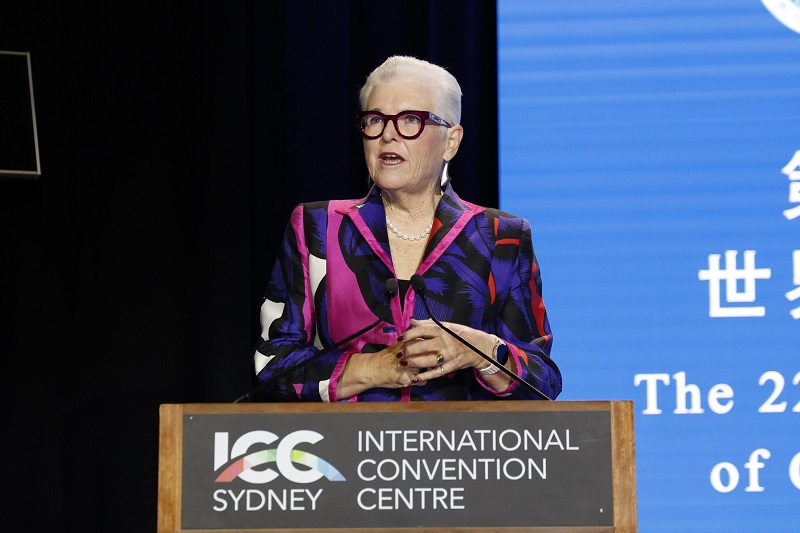
In her speech, The Rt. Hon. Jenny Shipley, former Prime of New Zealand and Co-Chair of the Advisory Board of The Mencius Foundation, stated that Mencius emphasized innate human goodness, benevolent governance, and the unity of heaven and humanity. These concepts, together with Confucian thought, form the core worldview of Chinese medicine. Today, in an era where AI is reshaping the world, the yearning for cultural identity and environmental sustainability grows stronger. Chinese medicine serves as a key—it is not only a medical system but also a cultural treasure, a philosophical framework, and a living testament to harmony between humanity and nature. Maintaining a global perspective, while Chinese medicine originates from China, it belongs to all humanity.
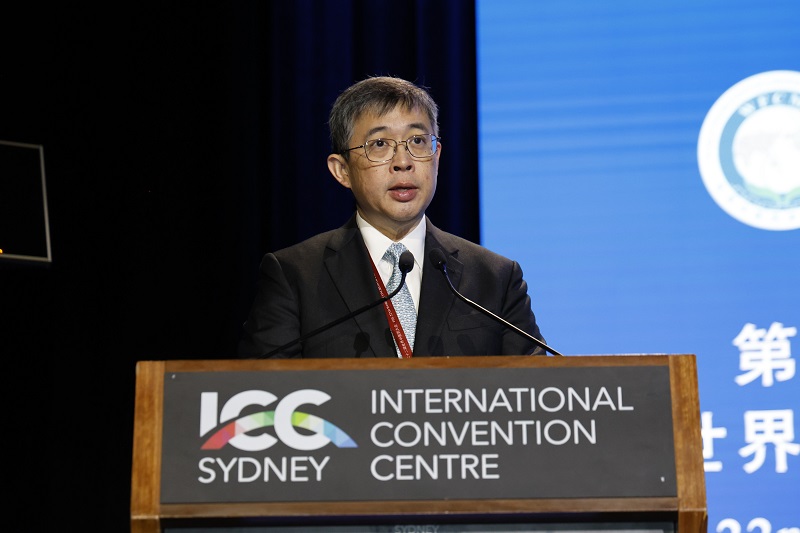
In his speech, Prof. Kenneth Mak, Director-General of Health, Singapore, pointed out that Singapore plays a unique role in efforts to globalize and modernize Chinese medicine. Although the healthcare system is based on and dominated by Western medicine, Chinese medicine coexists with it and plays an indispensable role in Singapore's healthcare landscape. According to Singapore's 2022 National Population Health Survey, one in five Singaporean adults uses Chinese medicine services yearly, and nearly 40% seek both Chinese medicine and Western medicine treatment for the same condition. The approach in Singapore to integrating Chinese medicine practices into the broader healthcare system is fundamentally based on evidence and collaboration, requiring Western medicine doctors to maintain an open mind and willingness to work hand-in-hand with Chinese medicine practitioners. Since 2014, the Ministry's TCM Research Grant has facilitated valuable collaborations between public healthcare institutions, academic institutions, and TCM practitioners, supporting over 20 research projects to date.
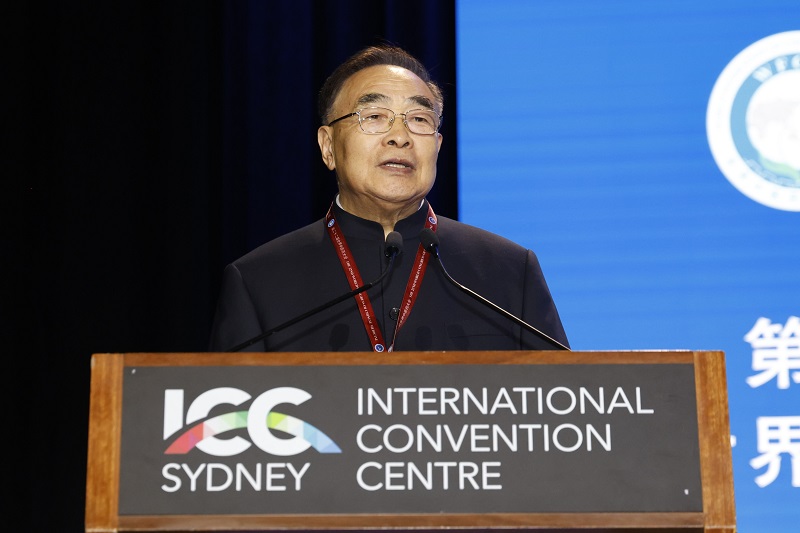
In his speech, Prof. ZHANG Boli, Academician of the Chinese Academy of Engineering, Master of Traditional Chinese Medicine, and Vice President of WFCMS, pointed out that Chinese medicine, as a treasure of the Chinese nation, has not only made indelible contributions to the health of the Chinese people but has also demonstrated unique value and strong vitality in addressing global health challenges. From artemisinin saving millions of malaria patients worldwide to the "Three Medicines and Three Formulations" constructing a solid line of defense against COVID-19, Chinese medicine has proven with tangible efficacy that it is an indispensable member of the world medical family. Prof. Zhang stated that there is still a long way to go for Chinese medicine to better reach the world and serve all humanity. The core lies in using modern language to clearly explain the scientific connotation of Chinese medicine. Prof. Zhang shared three points for consideration with the attendees. First, emphasize both clinical practice and scientific research equally, with efficacy as the core. Second, promote the joint establishment of international standards to facilitate rule interoperability. Third, deepen exchanges and mutual learning among civilizations and cultivate international talent. It is hoped that through the joint efforts of colleagues worldwide and continuous technological innovation and cultural dissemination, Chinese medicine will undoubtedly make more outstanding and irreplaceable contributions to building a global community of health for all.
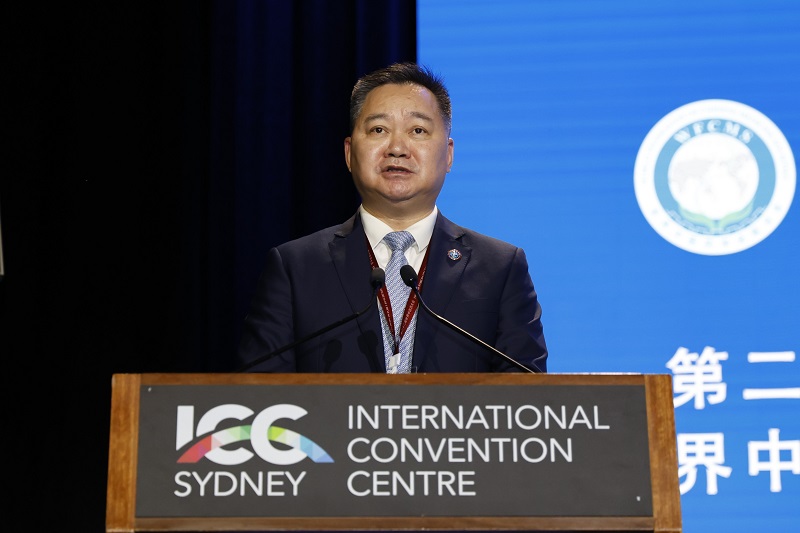
In his speech, Mr. LI Xiaojun, Chairman of Guangzhou Pharmaceutical Holdings Limited, stated that as the world's first Fortune Global 500 company with Chinese medicine as its main business, GPHL, relying on over 400 years of heritage and technological innovation, has seen its brand value rank among the top five globally. He expressed hope to join hands with global colleagues in Chinese medicine to advance cooperation, build an innovation ecosystem, deepen integrated Chinese and Western medicine research and new drug development; jointly promote standard construction, leveraging respective practices and experiences to improve the international standard system for Chinese medicine; and jointly build bridges for dissemination, allowing more people, especially the youth, to understand the health wisdom of Chinese medicine through diverse forms such as product globalization and cultural exchanges, promoting mutual learning between Chinese and Western civilizations, and advancing the global sharing of Chinese medicine.
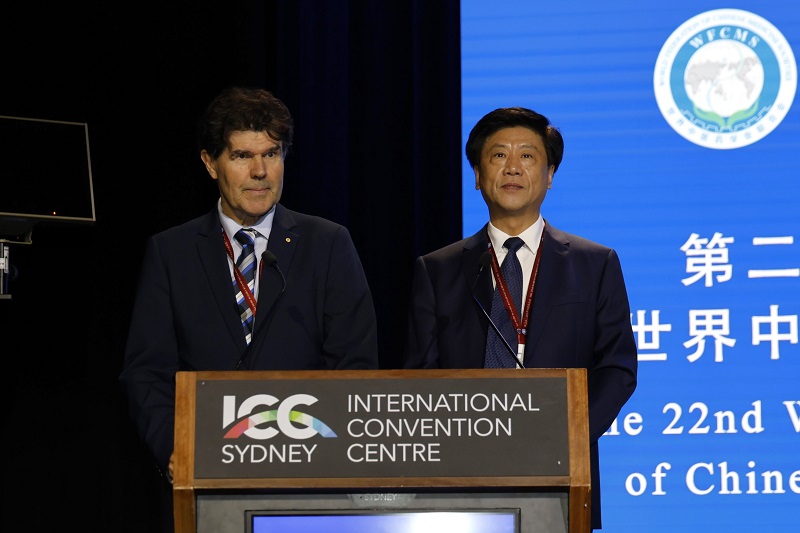
Mr. LI Yu, Vice Chairperson and Secretary-General of the WFCMS, and Mr. Douglas Eaton, Deputy Mayor of Central Coast Council, Sydney, co-chaired the opening ceremony.
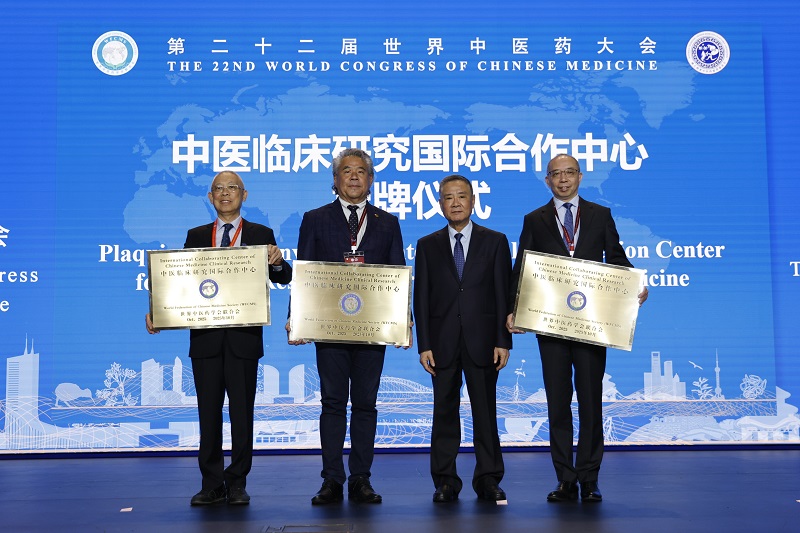
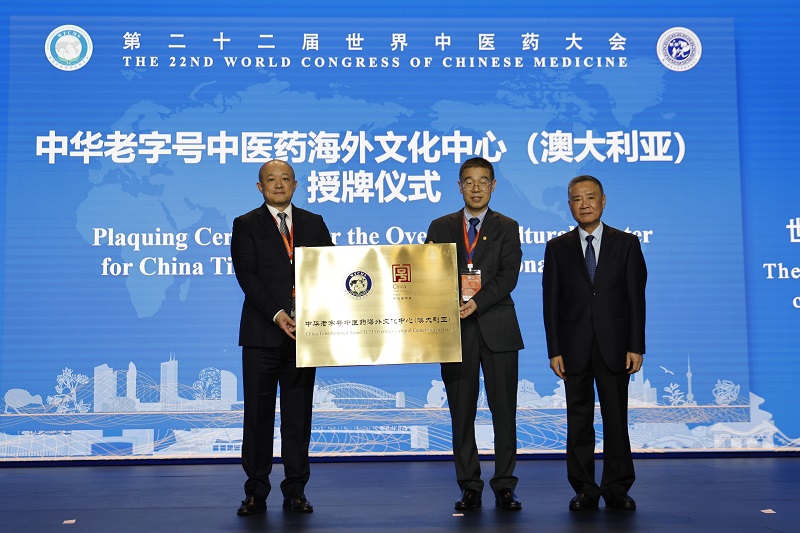
The opening ceremony also featured the Plaquing Ceremony for the International Cooperation Center for Clinical Research on Traditional Chinese Medicine and the Plaquing Ceremony for the Overseas Cultural Center for China Time-honored Brand Traditional Chinese Medicine (Australia). Mr. MA Jianzhong, Chairperson of WFCMS, presented plaques for the "International Cooperation Center for Clinical Research on Traditional Chinese Medicine" to Mr. WU Jiasheng, President of the Singapore College of Traditional Chinese Medicine; Mr. CHENG Xiaolin, Vice Chairman and Secretary-General of the France China Chinese Medicine Center; and Mr. ZHENG Qiming, Director of the Philippine Chinese Medicine Center. He presented plaques for the "Overseas Cultural Center for China Time-honored Brand Traditional Chinese Medicine (Australia)" to Mr. SHAN Ming, President of the Shandong General Association of Australia, and Mr. MA Anyang, President of the Australian Chinese Herbal Medicine Industry Association.
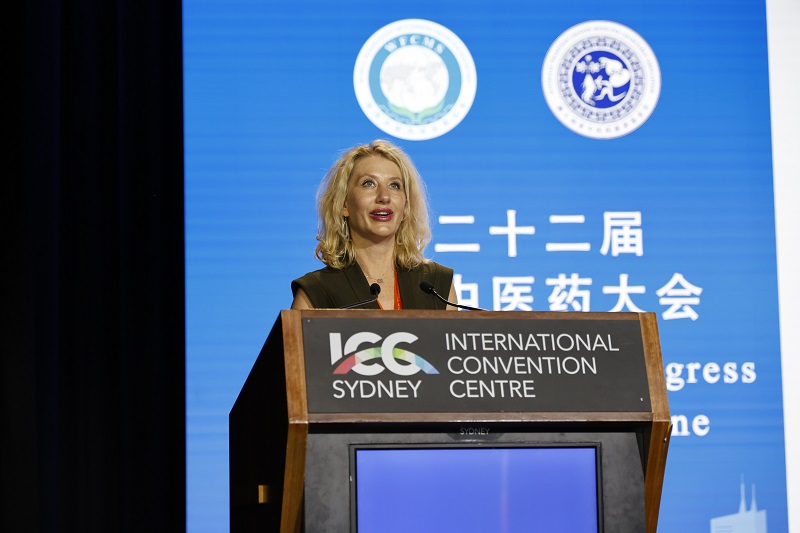
During the Keynote Speeches session, Ms. Stephanie Campbell LLB, Board Member (NSW) of the Chinese Medicine Board of Australia, Deputy Chair of the Registration and Notifications Committee, and Chair of the Overseas Qualifications Assessment Steering Committee, delivered a report titled Chinese Medicine in Australia: Practices and Opportunities in Professional Regulation.
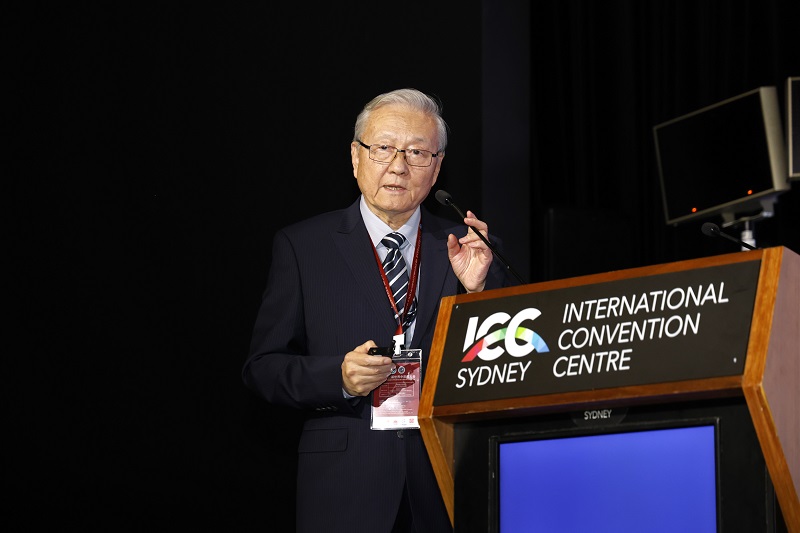
Prof. MI Liehan, a Nationally Renowned TCM Practitioner of China and Director of the MI Borang Institute, Shaanxi Academy of Traditional Chinese Medicine, delivered a report titled A Brief Analysis of "The Theory of Primordial Qi as the Foundation" and Its Clinical Application.
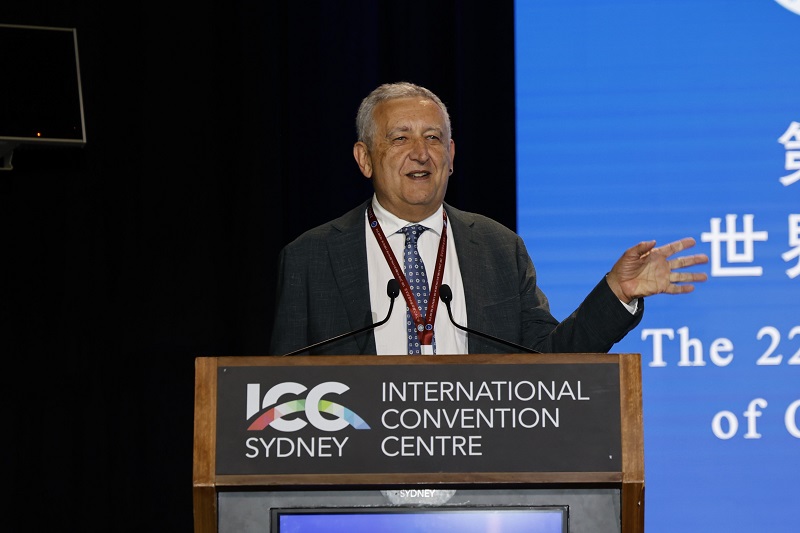
Prof. Alan Bensoussan, Executive Director of the National Institute of Complementary Medicine (Australia), delivered a report titled Strengthening Chinese Medicine Globally - an Australian Perspective.
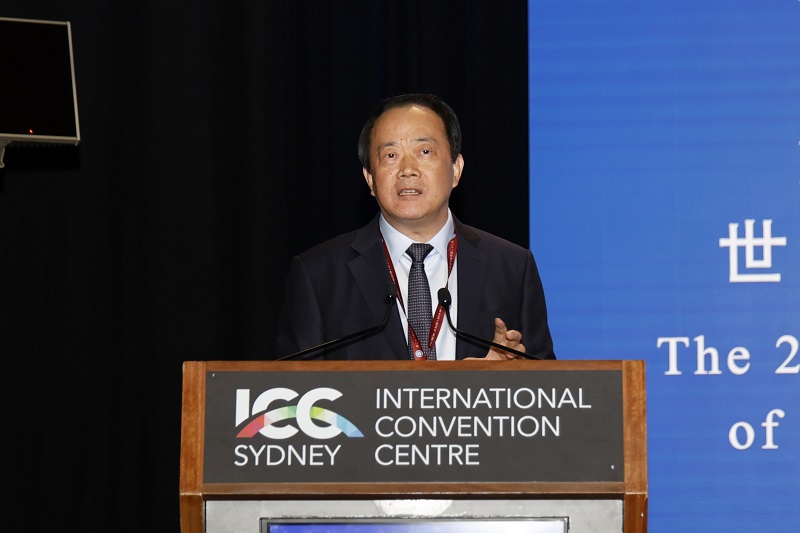
Prof. GUO De'an, Chief Professor of Shanghai University of Traditional Chinese Medicine and President of the Shanghai International Standardization Institute of Traditional Chinese Medicine, delivered a report titled The Pivotal Scientific Problems and Main Research Achievements of TCM Research.
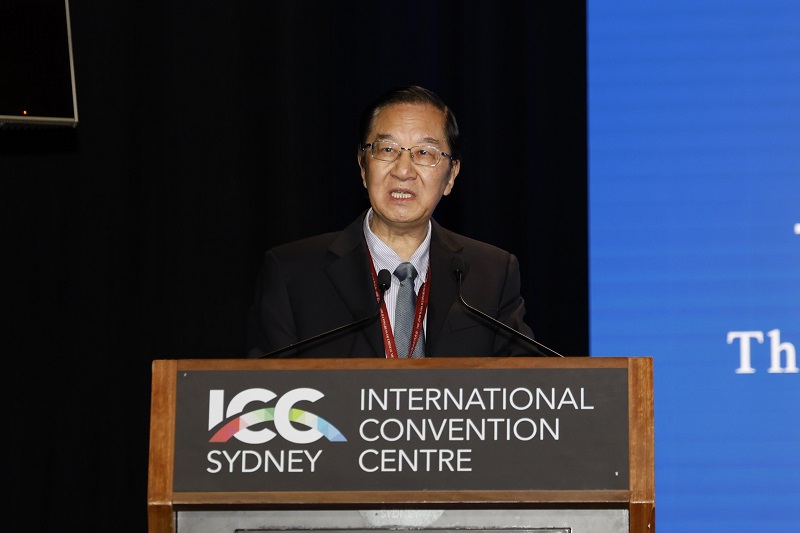
Prof. ZHANG Qicheng, Honorary President of the International Association of I-Ching Studies, Vice Chairman of the International Confucian Association, and President of the WFCMS Working Committee on TCM Museums, delivered a report titled Decoding the Civilizational Genes of Traditional Chinese Medicine.
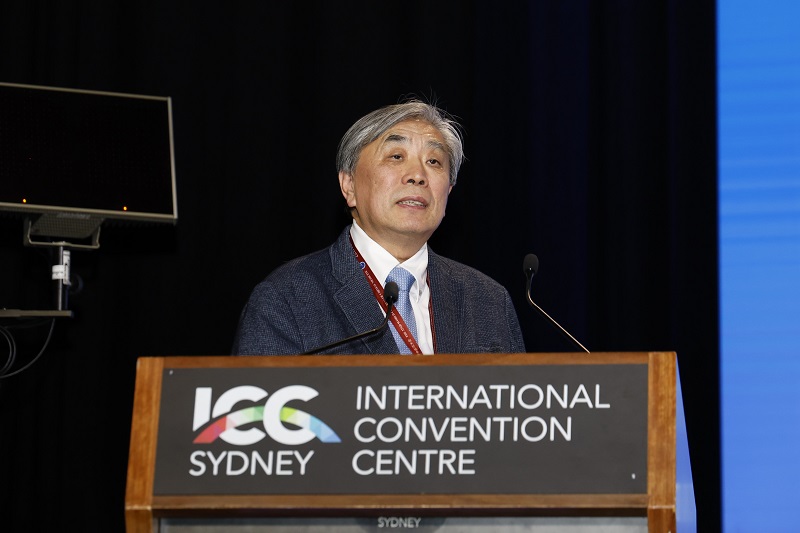
Prof. HAN Jingyan, President of the Institute of Integrative Medicine, Peking University Health Science Center, delivered a report titled The Scientific Connotation of the Theory of Heat Toxin and Blood Stasis and Clearing Heat and Cooling Blood—The Mechanism of Clearing Heat and Detoxifying Prescriptions to Improve Microcirculation Disorders Caused by Endotoxins.
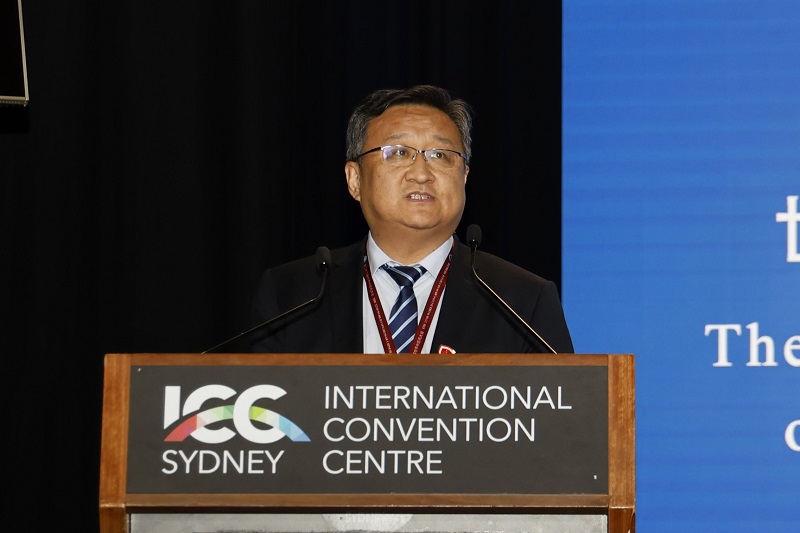
Prof. WANG Ting, Vice President of Beijing University of Chinese Medicine, delivered a report titled AI-Enhanced Future Education: Emerging Opportunities for Chinese Medicine Higher Education Overseas.
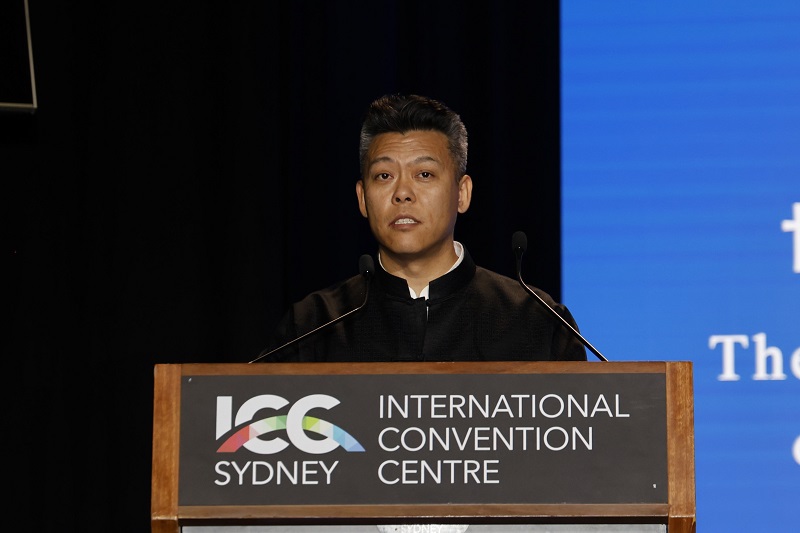
Mr. MENG Liang, Chairman of The Mencius Foundation, delivered a report titled Convergence and Symbiosis: The Value of TCM Civilization in Our Time and Its Vision for the Future.
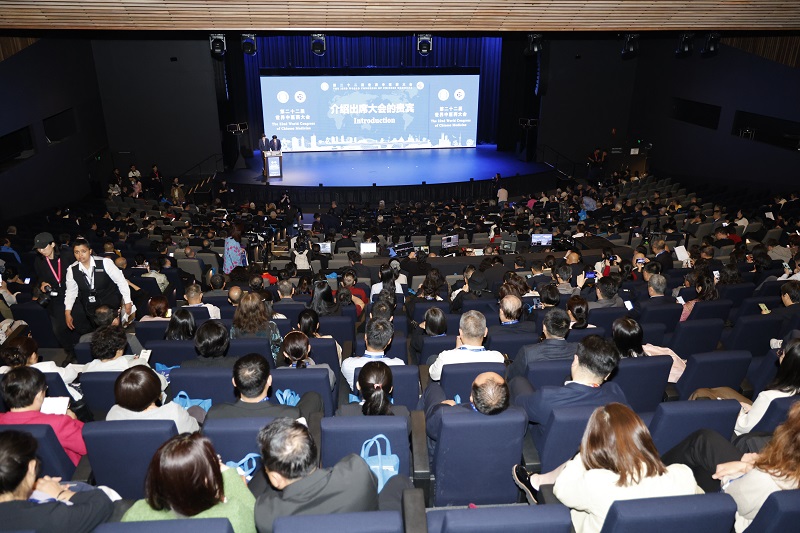
Also present at the opening ceremony were Prof. Ramon Calduch (Spain), Chairperson of the 5th Board of Supervisors of WFCMS; Vice Chairpersons of the 5th Council Board of WFCMS: Prof. C.F. Jeffery Lau (Australia), Prof. Cheng Kin Wah (Australia), Prof. WU Binjiang (Canada), Prof. FENG Jiu (Hong Kong, China), Prof. XU Zhifeng (New Zealand), Dr. ZHENG Qiming (Philippines), Dr. WU Jiasheng (Singapore), Dr. ZHANG Yi (South Africa), Prof. LIN Danqian (Thailand), Prof. LIN Rongsheng (USA), Prof. TIAN Haihe (USA); Vice Chairpersons of the 5th Board of Supervisors of WFCMS: Mr. WONG Woonchung (Australia), Prof. CHEN Zhice (Japan), Mr. CHUI Pang Tak (New Zealand), Dr. CHIU Eng Kiat (Singapore), Prof. WANG Shoudong (USA); Prof. PAN Ping, Deputy Secretary-General of WFCMS; Prof. DUAN Huiping, President of the National Medical Products Administration Institute of Executive Development; Mr. SONG Wenyong, Deputy Director-General of the Guizhou Provincial Administration of Traditional Chinese Medicine; Prof. CHEN Wenfeng, Secretary of the Party Committee of Guangzhou University of Chinese Medicine; Prof. GUO Hongwei, President of Heilongjiang University of Chinese Medicine; Prof. YANG Xiaohang, President of Shaanxi University of Chinese Medicine; Prof. XIAO Zhenghua, Vice President of Guizhou University of Traditional Chinese Medicine; Prof. WANG Weili, Deputy Secretary of the Party Committee of Gansu University of Chinese Medicine; Prof. GUO Jiao, former President of Guangdong Pharmaceutical University; Prof. XU Erping, former President of Henan University of Chinese Medicine; Prof. LI Jintian, former President of Gansu University of Chinese Medicine; Prof. ZHANG Guangji, former Deputy Secretary of the Party Committee of Zhejiang Chinese Medical University; Prof. PENG Qinghua, former Vice President of Hunan University of Chinese Medicine; as well as Presidents, Vice Presidents, and Secretary-Generals from various Professional Committees, Working Committees, and Industrial Branches of WFCMS, and colleagues from the global Chinese medicine community.
During the Congress, the following meetings and parallel sessions will also be held: The 4th Meeting of the Fifth Council Board and the Fifth Standing Council Board and The 4th Meeting of the Fifth Board of Supervisors of WFCMS; Comprehensive Academic Seminars (I, II, III); The 17th International Academic Exchange Conference of the Pediatrics Specialty Committee of WFCMS; Academic Symposium on TCM Exercises and Children's Health; Oceania Forum on Chinese Medicine and Acupuncture; The First World Forum on TCM Health Tourism & International Development Forum on TCM Brands; International Forum on TCM Psychosomatic Medicine; Forum on the Overseas Inheritance and Development of Chinese Medicine; Forum on the Development of TCM Civilization & The 7th Oriental Civilization Summit Dialogue; World Forum on Traditional Medicine and Wellness & BUCM Alumni Academic Sub-Forum; Academic Exchange Conference on Innovation and Practice of TCM (Mi School) in Prevention and Treatment of Metabolic Diseases; Special Session on Overseas Promotion of Chinese Time-Honored Brands (Guangzhou Pharmaceutical Group Session); 2025 Five Circuits and Six Qi Academic Annual Meeting of the Special Committee of WFCMS & Long Sha Medical Diagnostic and Therapeutic Skills and Long Sha Kai-He Six Qi Acupuncture Method Academic Exchange Meeting; The 15th International Congress of TCM Dermatology of the WFCMS; Oceania Forum on Chinese Medicine and Acupuncture; Symposium of Specialty Committee of Qi-Blood of WFCMS; Academic Symposium on the Development of TCM and Acupuncture in the Southern Hemisphere & Zhang Zhongjing International Academic Forum; Global Background and Latest Trends of Evidence-Based and Internationalized Chinese Medicine; AI Empowers the Traditional Chinese Medicine, Inheritance Industry to Promote Health; Shaping the Future of Chinese Medicine in the West: Insights from Australia; 2025 China Time-honored TCM Development Conference cum Global Dialogue on the Safeguarding and Sharing of TCM's Intangible Cultural Heritage; Signing Venue; Forum on Modernization and International Development of Traditional Chinese Orthopedics and Traumatology; and other parallel sessions.