The 1st World Congress of Artificial Intelligence in TCM Held in Hangzhou
Release time: Jun 29,2026
Reading volume: 3114
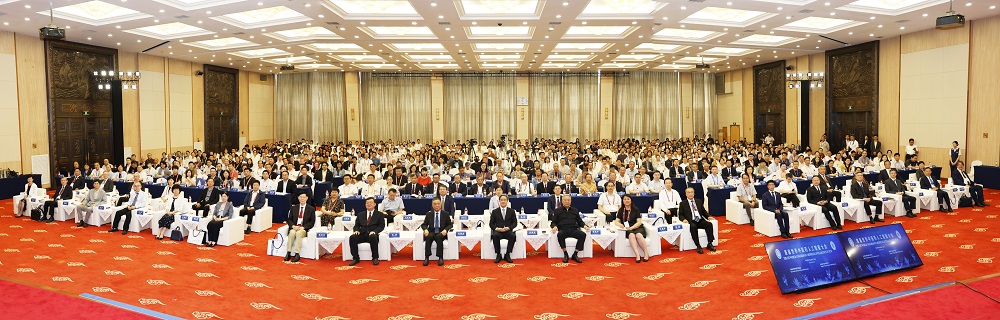
Group photo
On June 27, 2026, the 1st World Congress of Artificial Intelligence in TCM was held in Hangzhou, Zhejiang. The congress was hosted by the World Federation of Chinese Medicine Societies (WFCMS) and organized by Zhejiang Chinese Medical University (ZCMU), under the theme Embracing the AI Era: TCM Intelligence for a Healthy Future aiming to explore the pathways for deep integration of artificial intelligence and traditional Chinese medicine. Nearly 800 TCM experts from 28 countries and regions around the world, including China (including Hong Kong, Macao, and Taiwan), Egypt, Australia, Belarus, Belgium, Russia, France, the Philippines, South Korea, Canada, Mauritius, the United States, Bangladesh, Mexico, South Africa, Japan, Sweden, Thailand, Spain, Singapore, New Zealand, Hungary, Italy, Indonesia, and the United Kingdom, attended the congress. The opening ceremony, keynote speeches, and round-table dialogue were live-streamed via the WFCMS Member Service Platform, the WFCMS WeChat Channels, China Network Video China Platform, and China Network++ Platform, with more than 7.48 million views.
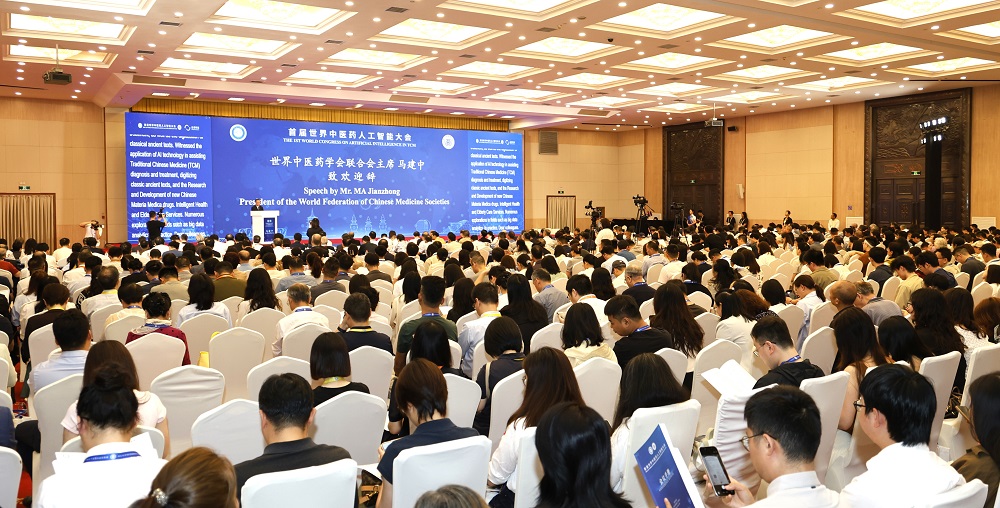
Mr. Ma Jianzhong, President of WFCMS, Mr. Wang Bin, Party Secretary of ZCMU, and Dr. Li Yachan, Senior Technical Officer of the WHO, Mr. Wang Changrong, Vice Chairman of Zhejiang Provincial CPPCC and Deputy Secretary of its Party Leadership Group, attended the opening ceremony and delivered remarks. Prof. Zhang Boli, Academician of the Chinese Academy of Engineering and Vice President of WFCMS, delivered a video address. Mr. Li Yu, Vice President and Secretary-General of WFCMS, and Mr. Chen Zhong, President of ZCMU, co-hosted the opening ceremony.
Leadership Remarks: Charting a New Vision for the Digital and Intelligent Development of TCM
In his remarks, Mr. Ma Jianzhong pointed out that TCM is a brilliant gem of China’s outstanding traditional culture and a precious asset for safeguarding human health. For thousands of years, with its unique theoretical system, diagnostic and therapeutic methods, and health-preserving concepts, TCM has protected the Chinese nation and ensured its continuous vitality. Today, it has spread to 196 countries and regions worldwide and has become an important bridge for international health cooperation and cultural exchange. Artificial intelligence provides TCM with technological wings while the unique wisdom of TCM will, in turn, open up new application scenarios for AI. He expressed the hope that TCM professionals around the world would join hands, using technology as a bridge and innovation as a sail, to overcome difficulties in integrated development, explore new paths for digital and intelligent TCM development, jointly promote the establishment of an AI standard system for TCM, and enhance TCM’s international voice. He said that looking ahead, the deep integration of TCM and AI holds broad prospects and great potential. Taking this congress as a starting point, the global TCM community can pool its strength and move forward together, uphold the essential characteristics of TCM, make good use of modern intelligent technologies, revitalize ancient TCM in the digital era, better serve global public health with TCM wisdom, and contribute more to building a global community of health for all and promoting mutual learning among civilizations.
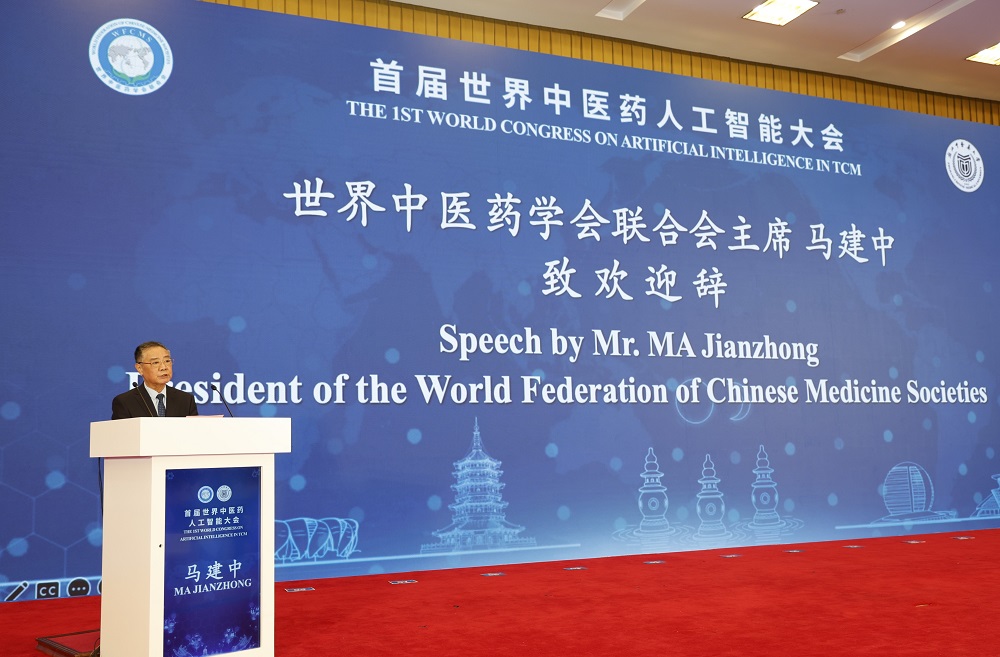
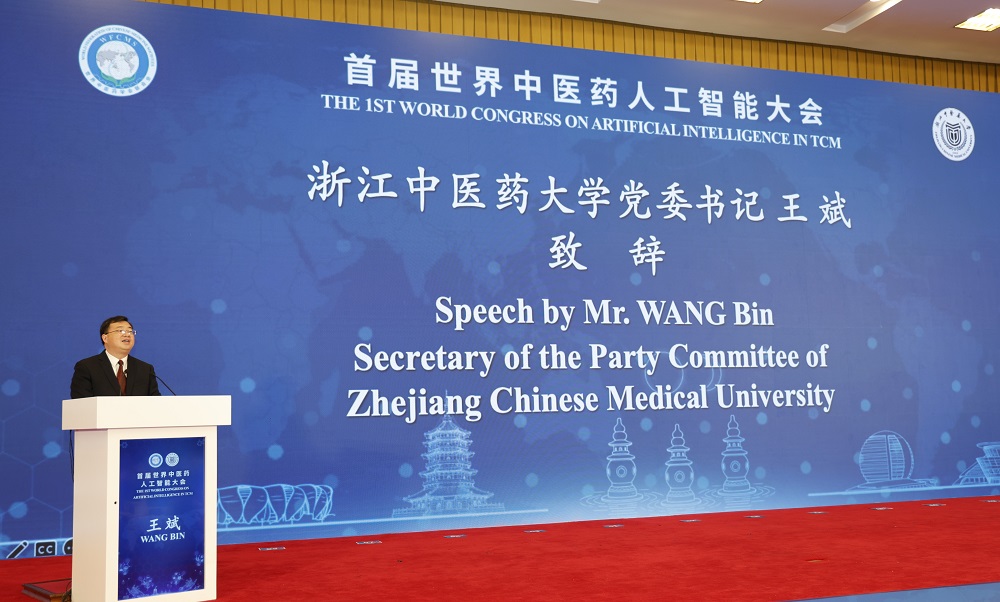
Mr. Wang Bin stated in his speech that TCM embodies the health-preserving concepts and practical experience of the Chinese nation over thousands of years, and that artificial intelligence is a core driving force leading the new round of scientific and technological revolution and industrial transformation, injecting strong momentum into innovative development in various fields. The emergence of TCM AI is an inevitable path for the inheritance and innovation of TCM. At this new starting point of TCM digital development, we must firmly uphold the foundation, consolidate the roots of intelligent TCM development, and adhere to the holistic concept of TCM, integrate innovation based on principles, cultivate new quality productive forces in the field of Chinese materia medica, uphold the principle of benefiting the people in a timely manner, give full play to TCM’s advantages in safeguarding health, and persist in openness and sharing to build a global pattern of digital cooperation in TCM. He pointed out that taking this congress as a new starting point, we should join hands and work together to write a new chapter in the integrated development of TCM + AI and make new and greater contributions to building a Healthy China and enhancing human health and well-being.
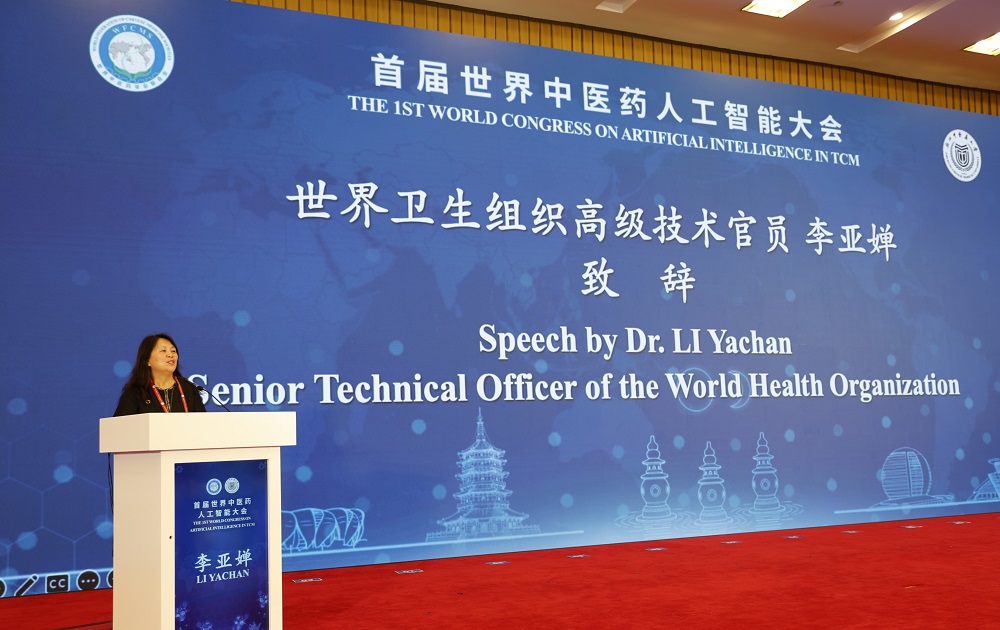
Dr. Li Yachan noted that the world continues to face complex and interconnected health challenges. WHO has always attached great importance to the development of traditional medicine and officially released the WHO Global Traditional Medicine Strategy 2023–2030 in 2023, which establishes four strategic objectives for the development of traditional medicine over the next decade. According to the WHO Global Traditional Medicine Reports released in 2019 and 2023, more than 100 countries have reported the application of TCM and acupuncture, and an increasing number of countries are developing specific regulations to integrate TCM into their national health systems and services. She pointed out that big data and digital technologies are jointly leading a new wave of technological change, bringing historic opportunities for traditional medicine to break through development bottlenecks, which is highly consistent with WHO’s direction of promoting innovation in traditional medicine. WHO and WFCMS maintain close and productive cooperation in strengthening scientific research, formulating international standards, and promoting cultural dissemination. This congress fully aligns with the global trend of digital transformation in traditional medicine, and she expressed the hope that TCM can contribute its national wisdom and experience to innovation and development in the field of traditional medicine within the AI domain.
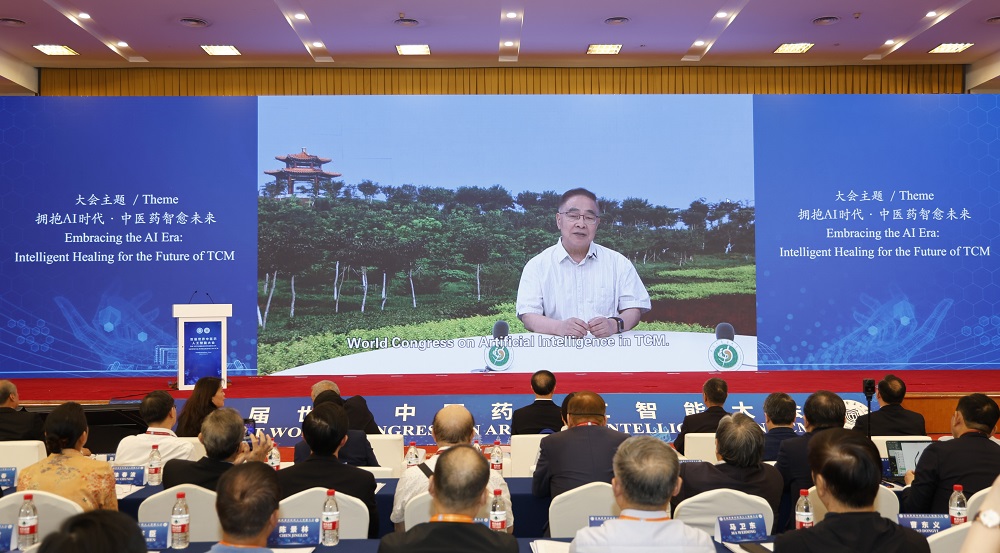
Prof. Zhang Boli said in his video address that TCM is a treasure of ancient Chinese science and the key to unlocking the treasury of Chinese civilization. It carries thousands of years of practical experience and embodies the holistic concept of harmony between man and nature and the individualized diagnostic and therapeutic thinking of treatment based on syndrome differentiation. For TCM, AI is not merely a tool revolution but also an expansion of cognition. AI can make inheritance more systematic and precise, innovation more efficient, and services more humane. He pointed out that we must hold firmly to the foundation of integrity”. AI is a new thing and a driving force leading the new generation of industrial revolution, but many aspects still require active exploration and improvement. In particular, the new generation of generative AI, which can self-modify and evolve iteratively, also has potential security issues and risks of losing control. Therefore, a set of management measures should be developed to foster strengths and avoid weaknesses and to promote the healthy development of TCM AI. The Hangzhou Declaration on Global Artificial Intelligence in Traditional Chinese Medicine, which will be adopted today, will provide safeguards for promoting the healthy and sustainable development of TCM AI. He expressed the hope that through this congress, we can reach consensus, assist in tackling key problems, and let AI become wings for TCM to take off, contributing unique Chinese wisdom to building a global community of health for all.
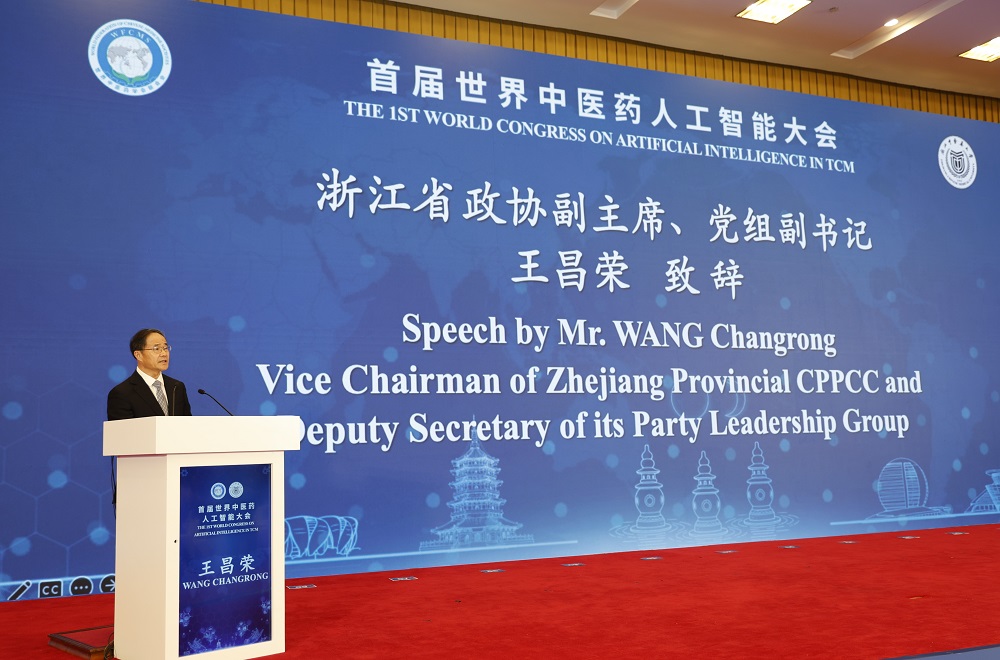
Mr. Wang Changrong, Vice Chairman of Zhejiang Provincial CPPCC and Deputy Secretary of its Party Leadership Group said that, as one of the important birthplaces of TCM culture, Zhejiang is a major province for the TCM industry in China and also a pioneer in digital economy and AI innovation. It has always integrated TCM work into the overall high-quality development of the province. He pointed out that Zhejiang has deepened the implementation of the reform of one thing for TCM prescriptions, formulated multiple standards including unified provincial TCM outpatient prescription codes, pathological TCM and acupuncture digital codes, and achieved real-time data connectivity among 256 medical institutions at five levels (province, city, county, township, and village), with a cumulative receipt of more than 150 million standardized inpatient medical records. It has built 22 digital scenarios such as digital twin robots for renowned veteran TCM doctors and online TCM pharmaceutical services, and promoted the four major functions of smart medicine, smart pharmacy, smart research, and smart governance. He expressed the hope that this conference will enhance the international influence and core competitiveness of TCM, vigorously promote the development of TCM AI technology, build a precise, convenient, and inclusive smart healthcare and elderly care service system, and translate the achievements of technological empowerment into practical results in safeguarding people’s health.
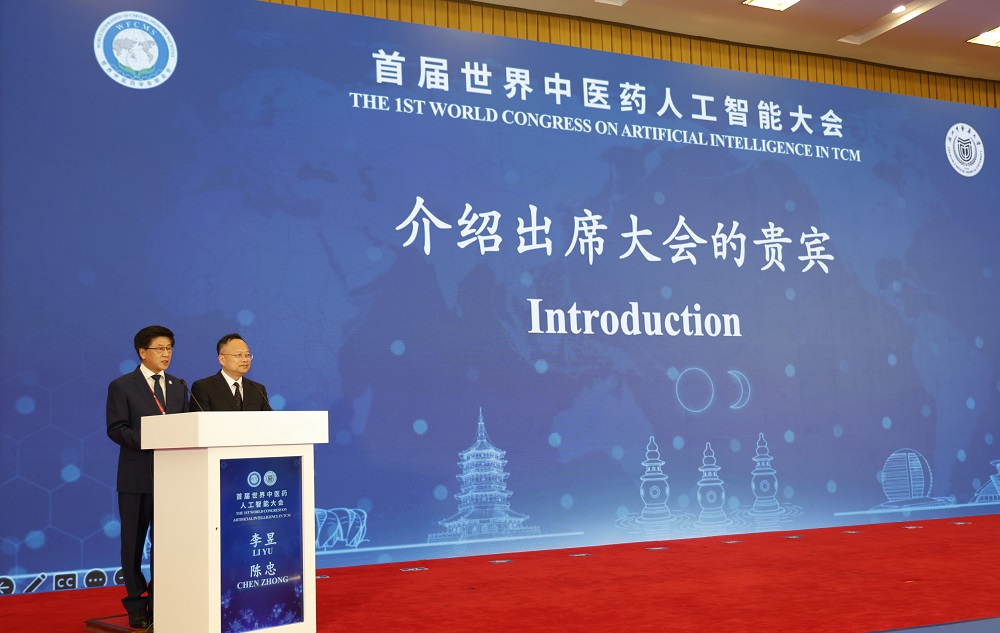
Mr. Li Yu, Vice President and Secretary-General of WFCMS, and Mr. Chen Zhong, President of ZCMU, co-hosted the opening ceremony.
Major Announcement: The Hangzhou Declaration on Global Artificial Intelligence in Traditional Chinese Medicine Officially Released
At the opening ceremony, the release ceremony of the Hangzhou Declaration on Global Artificial Intelligence in Traditional Chinese Medicine was held. Mr. Fan Xiaohui, Vice President of ZCMU, introduced the background and main content of the declaration. As an important outcome of the first TCM AI Congress, the Declaration systematically sets forth the basic principles, priority areas, and cooperation initiatives for TCM AI development, calling for strengthening data security and standard development, promoting open sharing and ethical norms, and marking a new stage of coordinated advancement in global intelligent TCM development.
Subsequently, Mr. Ma Jianzhong, President of WFCMS, Academician Chen Kaixian of the Chinese Academy of Sciences and former President of Shanghai University of Traditional Chinese Medicine, Mr. Zhang Qin, a member of the Standing Committee of the 13th National Committee of the Chinese People’s Political Consultative Conference, former Deputy Secretary and Vice Chairman of the Party Leadership Group of the China Association for Science and Technology, and Academician of the International Academy of Nuclear Energy, Mr. Wang Bin, Party Secretary of ZCMU, Mr. Li Yu, Vice President and Secretary-General of WFCMS, Mr. Chen Zhong, President of ZCMU, Prof. Li Shao, Fellow of the European Academy of Sciences and Arts, tenured professor at Tsinghua University, and Director of the Beijing Institute of Traditional Chinese Medicine Interdisciplinary Research, Ms. Zhu Weifeng, Deputy Party Secretary and President of Jiangxi University of Chinese Medicine, Ms. Zeng Fang, President of Chengdu University of Traditional Chinese Medicine, Mr. Zhang Junhua, Vice President of Tianjin University of Traditional Chinese Medicine, Distinguished Professor Cheng Yiyu of Zhejiang University, and Mr. Yves Le Gouriérès, President of the Mediterranean Health and Nature Campus Initiative in Béziers, France, jointly took the stage to witness the release of the Declaration.
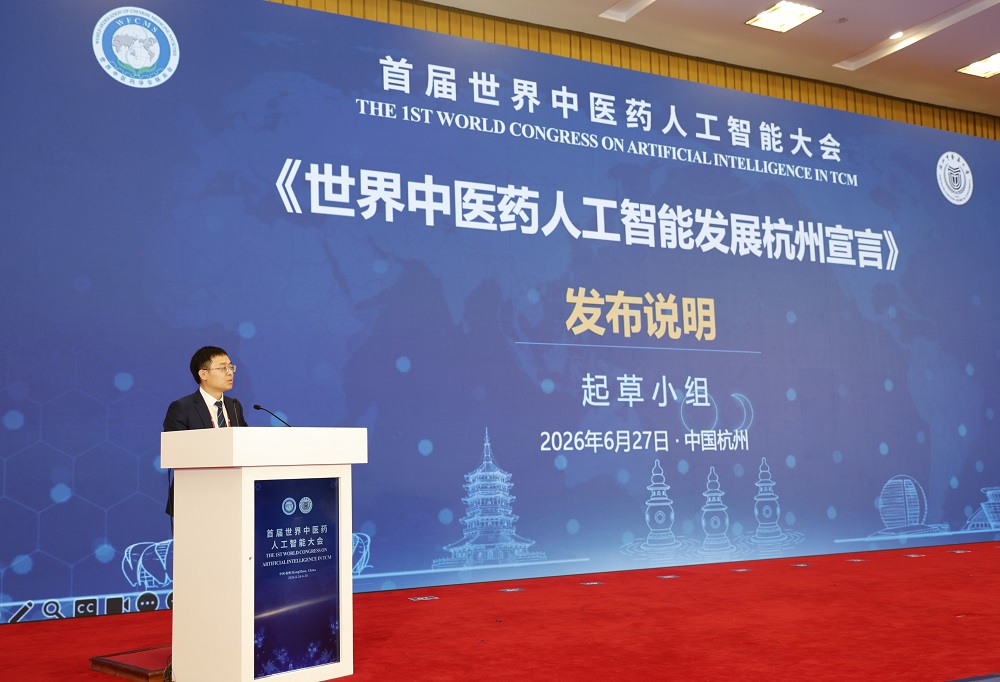
Mr. Fan Xiaohui, Vice President of Zhejiang Chinese Medical University, presented the background to the drafting of the Declaration
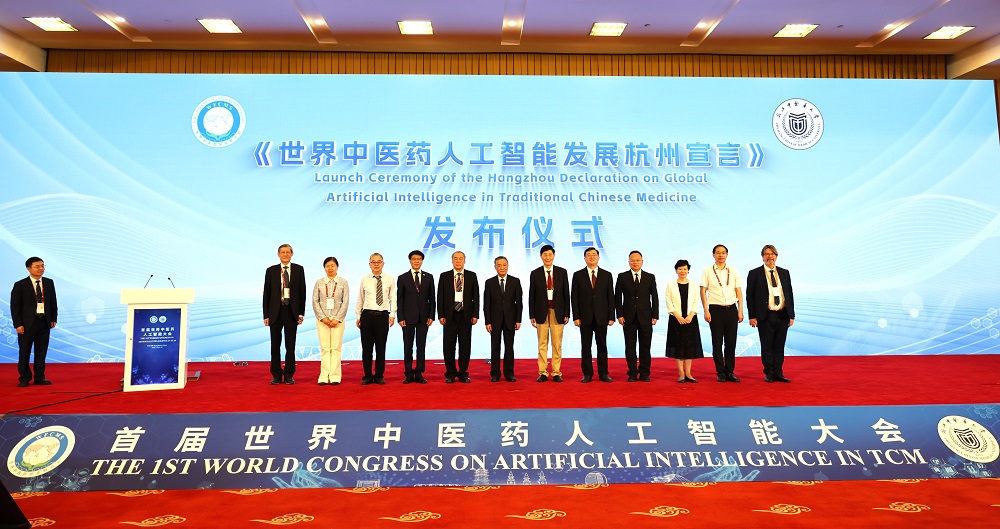
Lunch Ceremony of the Declaration
Academic Leadership: Academicians and Experts Discuss the New Landscape of Digital-Intelligent Integration
During the keynote speech session, Academician Chen Kaixian of the Chinese Academy of Sciences delivered a report titled Seizing the Opportunities of the AI Technological Revolution to Promote Innovative Development of TCM Preventive Treatment and Health Services. Academician Zhang Qin of the International Academy of Nuclear Energy delivered a report titled Trustworthy AI‑Assisted Clinical Diagnosis Integrating Traditional Chinese and Western Medicine. Prof. Li Shao, Fellow of the European Academy of Sciences and Arts, delivered a report titled AI, Network Pharmacology and the Innovation of Traditional Chinese Medicine. Distinguished Professor Cheng Yiyu of Zhejiang University delivered a report titled Research Progress on AI Pharmaceutical Robots. Mr. He Jialang, President of the Italian Association of Chinese Medicine and Vice Chairman of the WFCMS Council (Italy), and Mr. Wen Chengping, Vice President of ZCMU, co-hosted the session.
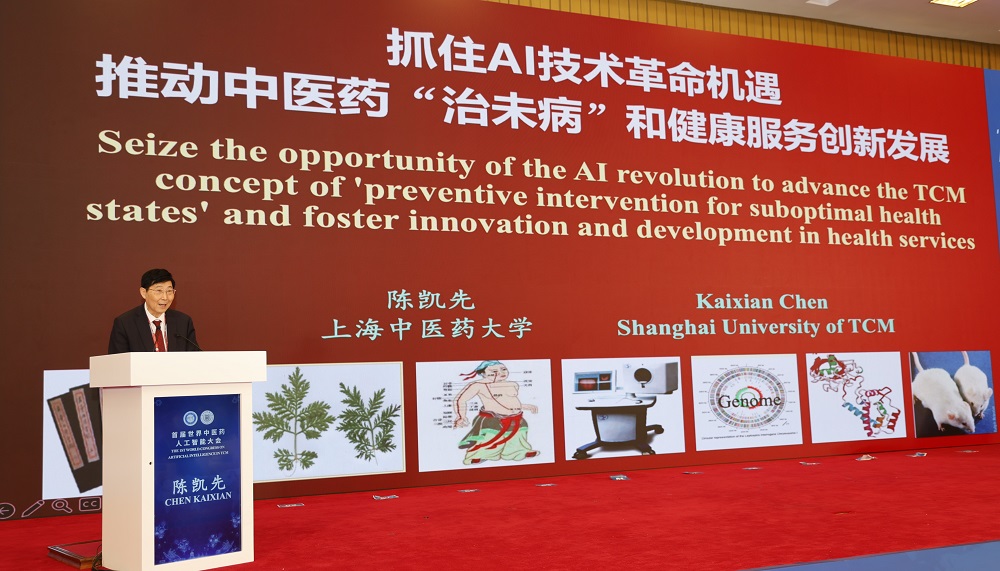
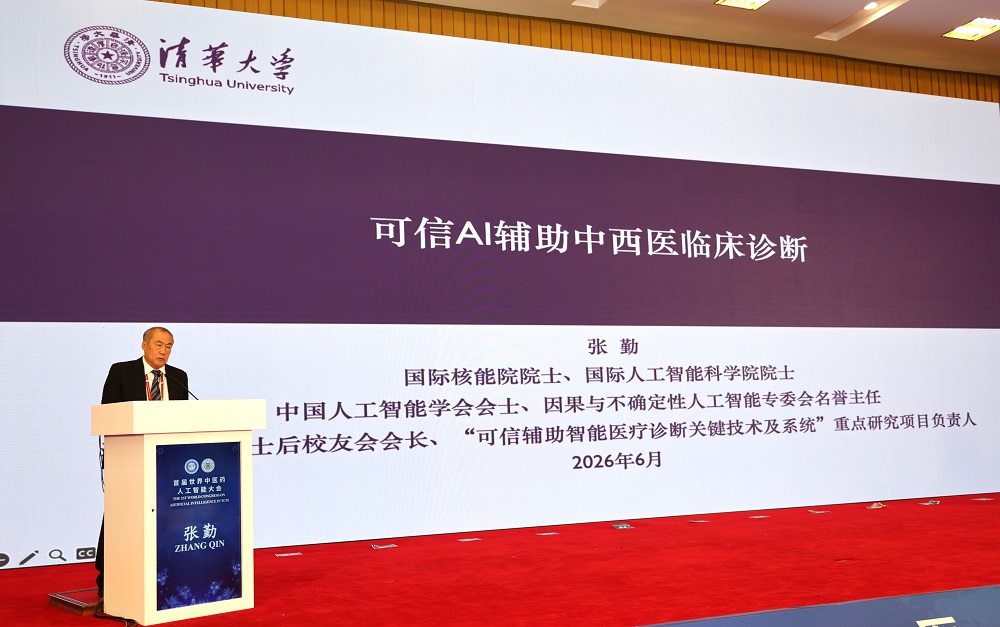
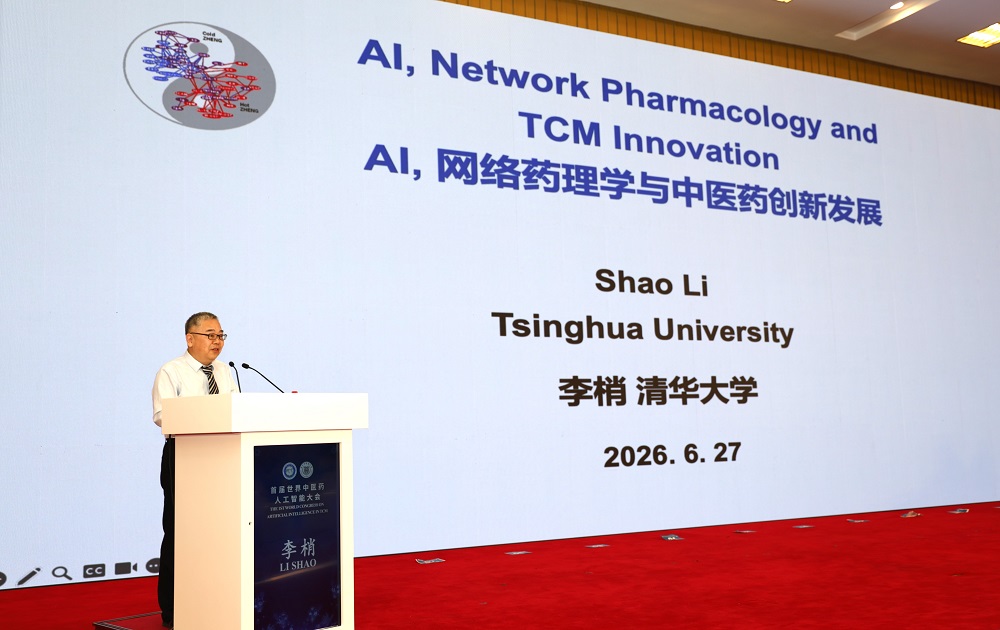
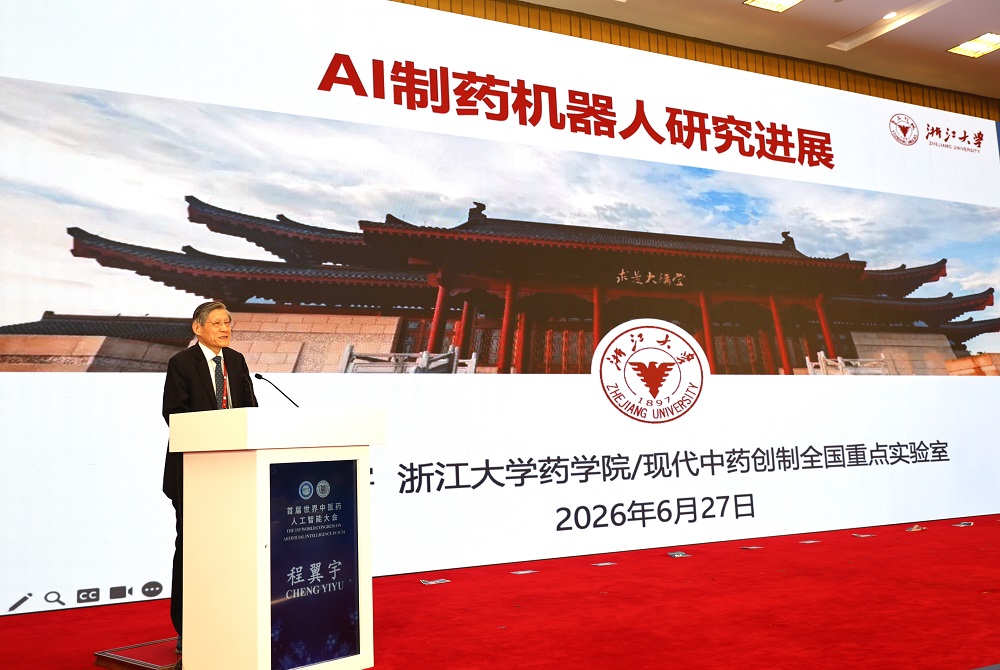
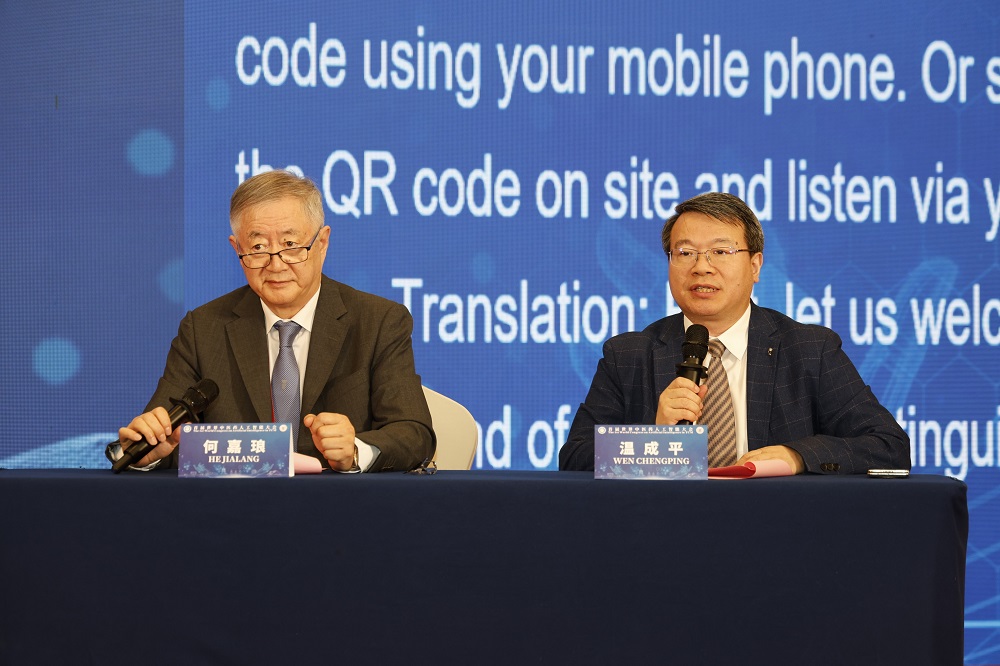
Mr. He Jialang, Honorary President of the Italian Association of Chinese Medicine and Vice Chairman of WFCMS Council Board, and Mr. Wen Chengping, Vice President of ZCMU, co-hosted the keynote speeches.
In the subsequent round-table dialogue session, Mr. Fan Xiaohui, Vice President of ZCMU, Mr. Zhang Lei, Senior AI Solutions Specialist at Tencent Cloud, Mr. Yves Le Gouriérès, President of the Mediterranean Health and Nature Campus Initiative in Béziers, France, and Mr. Chen Lin, Executive Secretary‑General of the Silk Road Planning Research Center, further discussed the technological pathways and future trends of AI empowering TCM inheritance and innovation. The session was moderated by Mr. Zhang Junhua, Vice President of Tianjin University of Traditional Chinese Medicine.
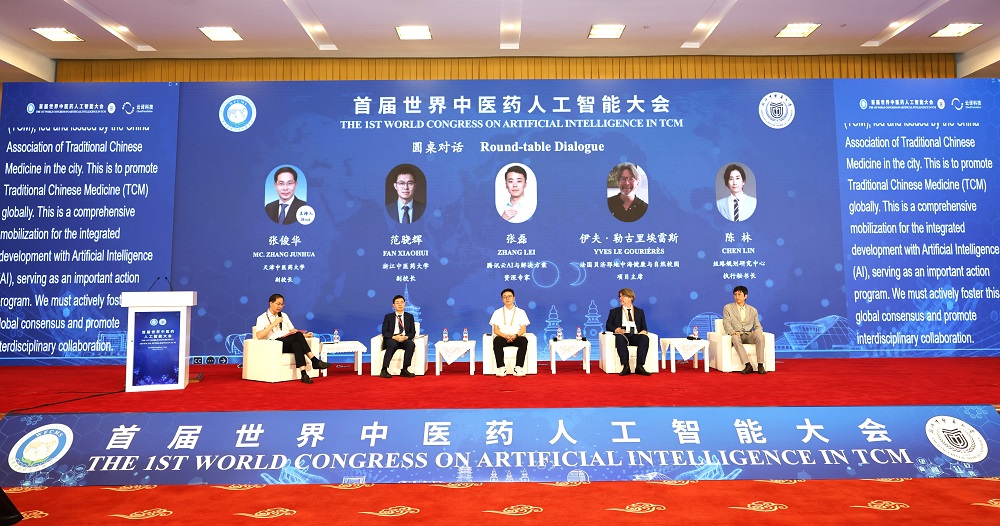
Round-table Dialogue
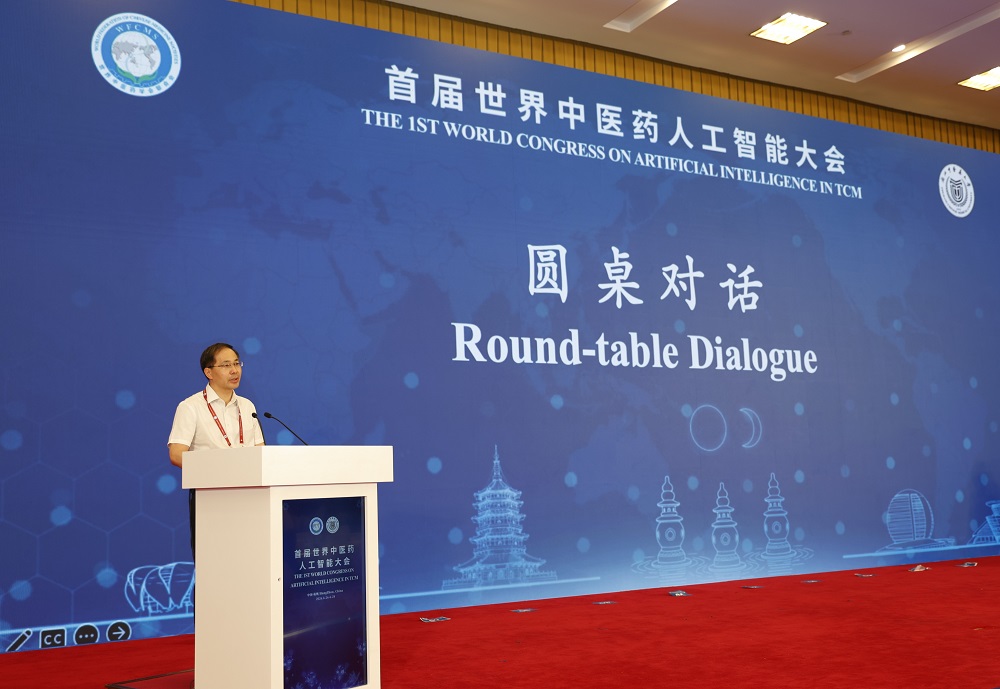
Mr. Zhang Junhua, Vice President of Tianjin University of Traditional Chinese Medicine, hosted the dialogue
Also attending the opening ceremony were Mr. Zhou Heping, former Vice Minister of Culture of China, Ms. Xu Xuqing, Deputy Director of the Zhejiang Provincial Health Commission and Deputy Director of the Zhejiang Provincial Administration of Traditional Chinese Medicine, Mr. Lyu Hua, Second-level Inspector of the Zhejiang Provincial Department of Education, Mr. Chen Yu, Member of the Party Leadership Group and Deputy Director of the Zhejiang Provincial Data Bureau, Mr. Yao Guowen, Member of the Party Leadership Group and Deputy Director of the Foreign Affairs Office of the Zhejiang Provincial People’s Government, Ms. Zhang Yafang, former Director of the Personnel Department of the Ministry of Culture and former Vice President and Secretary-General of the China Intangible Cultural Heritage Protection Association, Academician Liu Liang of the Chinese Academy of Engineering, tenured professor and laboratory director at Guangzhou University of Chinese Medicine, and Vice President of WFCMS, Mr. Chen Diping, former Party Secretary of Nanjing University of Chinese Medicine, Mr. Wang Xingliang, former President of Guangzhou University of Chinese Medicine, Mr. Wang Xinhua, former President of Guangzhou Medical University, Mr. Li Jintian, former President of Gansu University of Chinese Medicine, Ms. Sun Chunling, President of the Shandong Association of Traditional Chinese Medicine and former Director of the Shandong Provincial Administration of Traditional Chinese Medicine, Ms. Ma Haozhen, Executive Director and General Manager of Qianning Cultural Development (Hangzhou) Co., Ltd., Vice Chairmen of the Fifth Council of WFCMS: Mr. Zheng Qiming (Philippines), Mr. Wu Binjiang (Canada), Ms. Sun Qingfu (South Africa), Mr. Lin Danqian (Thailand), Mr. Goh Kia Seng (Singapore), Mr. Chen Zhen (Hungary), and Ms. Feng Jiu (Hong Kong, China), Vice Chairmen of the Fifth Supervisory Board of WFCMS: Mr. Lin Tzi Chiang (Australia), Mr. Huang Huansong (Australia), Mr. Wang Haidong (Australia), Mr. Wang Shoudong (United States), Mr. Teo Eng Kiat (Singapore), Mr. Han Jingyan (China), and Mr. CHAN Wing-kwong (Hong Kong, China), WFCMS Deputy Secretaries-General Xu Chunbo and Pan Ping, WFCMS Executive Committee members, Standing Council members, presidents of various committees, as well as experts, scholars, and industry elites from the global TCM, AI, and industrial sectors.
Parallel Efforts: Academic Sub-forums Promote Global Collaboration
This congress featured 16 parallel academic sub-forums, including: the AI + TCM High-Quality Data Construction Forum, the 2026 Annual Meeting of the WFCMS TCM Big Data Industry Committee & the Forum on Smart Big Data in Integrated Traditional Chinese and Western Medicine, the Seminar on Ancient Text Digitization by the WFCMS Working Committee on Traditional Medicine Intangible Cultural Heritage, the Re‑election Conference and 2026 Annual Conference of the WFCMS Health Care Industry Committee, the AI + Modern Chinese Medicine Innovation Forum, the AI Medical Innovation and Clinical Application Forum (theme: Integrating AI and TCM to Lead the Future), the AI Empowering Smart Hospital Construction and TCM Innovation Application Forum, the AI Empowering TCM: Innovative Integration of Intelligent Rehabilitation Technologies and Equipment Forum, the Seminar on Protection of Original TCM Achievements and Industrial Upgrading from the Perspective of Digital-Intelligence Integration & the 2026 Annual Academic Conference of the WFCMS Intellectual Property Protection Working Committee, the Seminar on Digital Education in Traditional Chinese Medicine and Dual Digital-Driven Innovation Development, the Seminar on TCM AI Integration of Spirit and Form and Digital-Intelligent Analysis of Chinese Materia Medica, the International Youth Innovation and Development Forum, and comprehensive academic seminar sessions.
The first World Congress of Artificial Intelligence in TCM gathered global wisdom and systematically showcased the latest achievements of AI empowering TCM through keynote speeches, round-table dialogues, and 16 thematic sub-forums. The Hangzhou Declaration on Global Artificial Intelligence in Traditional Chinese Medicine, released at the opening ceremony, marked a new stage for global intelligent TCM development, transitioning from scattered explorations to coordinated co-construction. Experts attending the congress agreed that the deep integration of artificial intelligence and TCM has broad prospects, but concerted efforts are needed in data security, ethical norms, and standard development. Taking this congress as a starting point, the global TCM community will join hands to accelerate the integration of digital-intelligent technologies with the entire TCM industry chain, enabling the millennia-old treasure to radiate new vitality in the intelligent era and making greater contributions to improving human health and well-being.